

Delve into the realm of insurance with travel insurance, where protection meets exploration. Discover the ins and outs of travel insurance in this comprehensive guide that guarantees an enlightening read.
Unravel the complexities of travel insurance and equip yourself with the knowledge needed to embark on your next adventure worry-free.
Importance of Travel Insurance
Travel insurance is essential for any traveler as it provides a safety net in case of unexpected situations that may arise during a trip. It offers financial protection and peace of mind, allowing travelers to focus on enjoying their journey without worrying about potential risks.
Protection in Medical Emergencies
Travel insurance covers medical expenses in case of accidents or illnesses while traveling. This can include hospital stays, doctor visits, and emergency medical evacuation, ensuring that travelers receive the necessary care without facing exorbitant costs.
Reimbursement for Trip Cancellation
In the event of unforeseen circumstances such as a family emergency or natural disaster, travel insurance can reimburse the costs of canceled flights, accommodations, and other pre-paid expenses. This can prevent travelers from losing significant amounts of money due to unexpected cancellations.
Coverage for Lost or Delayed Baggage
Travel insurance can provide compensation for lost, stolen, or delayed baggage, helping travelers replace essential items or clothing while waiting for their belongings to be returned. This coverage ensures that travelers are not left stranded without their personal belongings.
Assistance in Legal Matters
If travelers encounter legal issues in a foreign country, travel insurance can offer assistance and guidance, including access to legal resources and translation services. This support can be invaluable in navigating unfamiliar legal systems and resolving any disputes that may arise.
Peace of Mind
Above all, travel insurance offers peace of mind to travelers, knowing that they are protected against unexpected events that could disrupt their trip. By having coverage in place, travelers can relax and enjoy their travels with the assurance that they are prepared for any challenges that may come their way.
Types of Travel Insurance
When it comes to travel insurance, there are different types available in the market to cater to various needs and preferences. It is essential to understand the features and coverage areas of each type to make an informed decision.
Basic Travel Insurance vs. Comprehensive Travel Insurance
Basic Travel Insurance:
- Provides coverage for common travel mishaps such as trip cancellations, delays, and lost luggage.
- Typically includes emergency medical coverage and medical evacuation.
- Offers limited coverage compared to comprehensive plans.
- Generally more affordable than comprehensive plans.
Comprehensive Travel Insurance:
- Offers extensive coverage for a wide range of travel-related incidents, including medical emergencies, trip interruptions, and adventure sports.
- Includes higher coverage limits and additional benefits such as baggage delay reimbursement and emergency cash advances.
- Provides peace of mind for travelers engaging in high-risk activities or visiting remote destinations.
- More expensive than basic plans, but offers comprehensive protection.
Coverage Areas of Popular Travel Insurance Plans
Popular travel insurance plans often cover the following areas:
Trip Cancellation and Interruption
Reimburses non-refundable trip costs if you have to cancel or cut short your trip due to covered reasons.
Emergency Medical and Dental
Covers medical expenses incurred during your trip, including hospital stays, doctor visits, and prescription drugs.
Baggage and Personal Belongings
Reimburses for lost, stolen, or damaged luggage and personal items.
Travel Delay
Provides reimbursement for additional expenses due to travel delays, such as accommodation and meals.
Emergency Evacuation and Repatriation
Covers the cost of emergency evacuation to the nearest adequate medical facility or repatriation to your home country in case of a medical emergency.It is essential to review and compare the coverage areas of different travel insurance plans to select the one that best suits your travel needs and provides adequate protection during your trip.
Factors to Consider When Choosing Travel Insurance
When choosing travel insurance, there are several important factors to keep in mind to ensure you have the right coverage for your trip.
Destination
The destination plays a crucial role in determining the type of travel insurance you need. Some countries have higher healthcare costs or higher risks of theft, which may require specific coverage.
Trip Duration
The duration of your trip is another key factor to consider. Longer trips may require more comprehensive coverage, while shorter trips might only need basic insurance for emergencies.
Activities
The activities you plan to engage in during your trip also impact the type of insurance you should choose. Adventure sports or risky activities may require additional coverage compared to a leisurely sightseeing trip.
Reading the Fine Print
It is essential to carefully read the fine print of a travel insurance policy to understand what is covered, any exclusions, and the claims process. This will help you avoid any surprises or misunderstandings in case of an emergency.
Claims Process for Travel Insurance
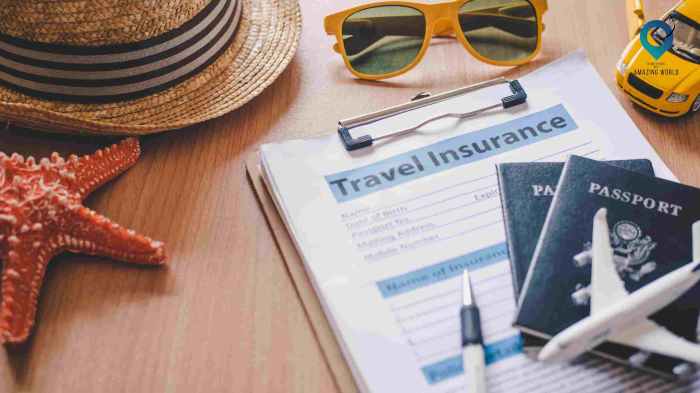
When it comes to filing a travel insurance claim, the process can vary depending on the insurance provider and the type of claim being made. However, there are some general steps that are typically involved in the claims process.
Typical Process for Filing a Travel Insurance Claim
- Contact your insurance provider as soon as possible after the incident occurs to notify them of your claim.
- Fill out the necessary claim form provided by your insurance company.
- Gather all required documentation to support your claim, such as receipts, medical reports, police reports, and any other relevant information.
- Submit the completed claim form along with the supporting documentation to your insurance provider.
- Wait for your claim to be reviewed and processed by the insurance company.
- Once your claim is approved, you will receive compensation based on the terms of your policy.
Necessary Documentation Required When Making a Claim
- Original receipts for expenses incurred.
- Medical reports or bills if the claim is related to medical expenses.
- Police reports or incident reports if the claim is related to theft or loss.
- Any other relevant documentation requested by your insurance provider.
Tips for a Smooth and Hassle-Free Claims Experience
- Read and understand your policy thoroughly before traveling to know what is covered and what is not.
- Keep all receipts and documentation related to your trip in an organized manner.
- Contact your insurance provider as soon as possible after an incident to start the claims process promptly.
- Follow up with your insurance company regularly to check on the status of your claim.
- Be honest and provide accurate information when filing your claim to avoid any delays or complications.
Last Recap
As we conclude this journey through the realm of travel insurance, remember that preparedness is the key to peace of mind while traveling. Stay informed, stay safe, and embrace the world with confidence.
Commonly Asked Questions
What are the key benefits of travel insurance?
Travel insurance provides coverage for trip cancellations, medical emergencies abroad, lost baggage, and more, offering travelers peace of mind.
How do I choose between basic and comprehensive travel insurance?
Basic travel insurance covers essential needs like trip cancellations and medical emergencies, while comprehensive insurance offers broader coverage including additional benefits like baggage protection and trip interruption coverage.
What factors should I consider when selecting travel insurance?
Consider your destination, the duration of your trip, planned activities, and your budget when choosing travel insurance to ensure you have adequate coverage.
What documents are typically required when filing a travel insurance claim?
Commonly required documents include proof of travel, receipts for expenses incurred, medical records (if applicable), and a completed claims form.
How can I ensure a smooth claims process when dealing with travel insurance?
Be sure to familiarize yourself with your policy details, keep all necessary documents organized, and file your claim promptly to expedite the process and minimize any hassles.