
Exploring the world of wood siding replacement, this article delves into the significance of this home improvement project. From reasons why wood siding needs replacement to common signs indicating the necessity, we uncover all you need to know.
Wood Siding Replacement Overview
Wood siding replacement is a crucial maintenance task that homeowners need to consider to ensure the structural integrity and aesthetic appeal of their property. Over time, wood siding can deteriorate due to various factors, necessitating timely replacement.
Importance of Wood Siding Replacement
- Prevents water damage: Damaged wood siding can allow water infiltration, leading to mold growth, rot, and structural issues.
- Enhances curb appeal: Freshly replaced wood siding can significantly improve the appearance of a home, increasing its value.
- Improves energy efficiency: New wood siding can help better insulate a home, reducing energy consumption and utility costs.
Reasons for Wood Siding Replacement
- Rotting or decay: Wood siding is prone to rot and decay, especially in areas with high moisture levels.
- Cracking and splitting: Exposure to sunlight and extreme weather conditions can cause wood siding to crack and split over time.
- Pest infestation: Termites and other pests can damage wood siding, compromising its structural integrity.
Signs indicating the need for Wood Siding Replacement
- Visible mold or mildew growth on the siding.
- Warped or buckling siding panels.
- Rotten or soft areas when touched.
- Peeling paint or finish.
Types of Wood Siding
Wood siding comes in various types, each with its own set of advantages and disadvantages. It is crucial to understand the different options available before deciding on the most suitable one for your home.
Cedar Siding
Cedar siding is a popular choice due to its natural beauty and resistance to decay and insects. However, it can be more expensive compared to other wood siding options. With proper maintenance, cedar siding can last for many years.
Pine Siding
Pine siding is a more affordable option but is less durable compared to cedar. It requires regular maintenance and is susceptible to decay and insect damage if not properly treated. Despite its lower cost, pine siding may need to be replaced sooner than other wood siding options.
Redwood Siding
Redwood siding is known for its rich color and natural resistance to decay and insects. It is a durable option that can last for many years with minimal maintenance. However, redwood siding tends to be more expensive than cedar and pine siding.
Engineered Wood Siding
Engineered wood siding is a composite material made from wood fibers and resin. It is designed to mimic the look of real wood while offering increased durability and resistance to moisture and insects. Engineered wood siding is a low-maintenance option that can be more cost-effective in the long run.
Comparing Durability
In terms of durability, cedar and redwood siding are considered the most long-lasting options due to their natural resistance to decay and insects. Engineered wood siding also offers excellent durability, making it a popular choice for homeowners looking for a low-maintenance option.
Pine siding, while more affordable, may require more frequent maintenance and replacement over time.
Preparation for Wood Siding Replacement
Before starting the wood siding replacement process, it is essential to properly prepare the area and assess the condition of the existing siding to ensure a successful outcome.
Assessing the Condition of Existing Wood Siding
Prior to replacing the wood siding, it is crucial to assess the condition of the existing siding to determine the extent of damage and the overall health of the wood. Look for signs of rot, mold, mildew, warping, or any other damage that may affect the new siding installation.
Necessary Repairs or Treatments Before Replacement
- Repair any damaged or rotted wood by replacing the affected areas or using wood filler to fill in smaller cracks and holes.
- Treat any mold or mildew with a suitable cleaner or solution to prevent it from spreading to the new siding.
- Ensure that the surface is clean and free of any debris or loose paint that could affect the adhesion of the new siding.
- Consider applying a primer or sealant to the existing wood to improve the longevity and performance of the new siding.
Wood Siding Replacement Process
When it comes to replacing wood siding, there are specific steps that need to be followed to ensure a successful outcome. From preparing the area to choosing the right tools and materials, each step plays a crucial role in the process.
Steps Involved in Replacing Wood Siding
- 1. Remove the existing siding: Start by carefully removing the old wood siding using a pry bar and hammer. Make sure to work from the top down to avoid damaging the structure underneath.
- 2. Inspect the sheathing: Once the old siding is removed, inspect the sheathing for any damage. Replace or repair any issues before installing the new siding.
- 3. Cut and prepare the new siding: Measure and cut the new wood siding to fit the dimensions of the area. Sand down any rough edges and apply a primer if necessary.
- 4. Install the new siding: Begin installing the new siding from the bottom up, making sure to leave room for expansion and contraction. Use stainless steel nails to secure the siding in place.
- 5. Finish and seal the siding: Once all the new siding is installed, apply a coat of paint or sealant to protect it from the elements and enhance its appearance.
Tools and Materials Required for the Replacement
- Pry bar and hammer for removing old siding
- Tape measure and saw for cutting new siding
- Stainless steel nails for securing the new siding
- Primer, paint, or sealant for finishing the siding
- Safety gear such as gloves and goggles
Best Practices for Removing Old Wood Siding
- Work carefully to avoid damaging the underlying structure
- Start from the top and work your way down
- Use a pry bar to gently lift the siding away from the wall
- Inspect the sheathing for any damage and make necessary repairs
- Dispose of the old siding properly to avoid any hazards
Finishing and Maintenance
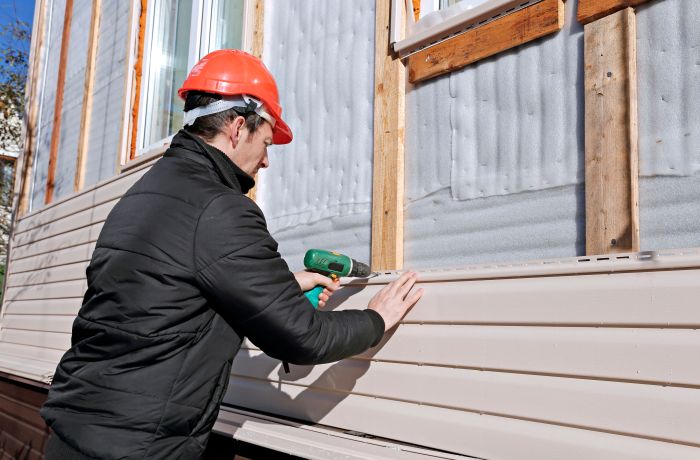
After replacing wood siding, it is crucial to finish and maintain it properly to ensure its longevity and preserve its appearance.
Importance of Finishing Wood Siding
Proper finishing of wood siding helps protect it from moisture, UV rays, and other elements that can cause damage over time. It also enhances the overall look of your home.
Tips for Maintaining Newly Replaced Wood Siding
- Regularly clean the siding with a mild detergent and water to remove dirt and grime.
- Inspect the siding for any signs of damage or wear and address them promptly to prevent further issues.
- Apply a fresh coat of paint or stain as needed to protect the wood and maintain its appearance.
- Avoid using harsh chemicals or power washing, as these can damage the wood.
Longevity of Wood Siding with Proper Maintenance
With proper maintenance, wood siding can last for decades. Regular cleaning, inspections, and refinishing will help extend the lifespan of your siding and keep it looking great for years to come.
Final Conclusion
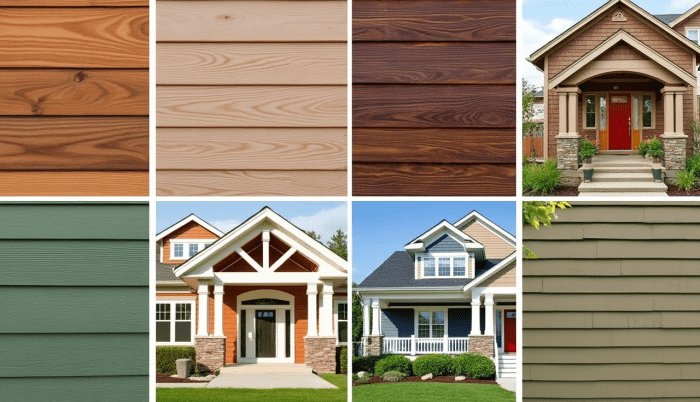
In conclusion, wood siding replacement is a crucial step in maintaining the integrity and aesthetics of your home. By understanding the types of wood siding, preparation steps, replacement process, and finishing techniques, you can ensure a long-lasting and visually appealing exterior.
FAQ Compilation
What are the benefits of wood siding replacement?
Wood siding replacement enhances the curb appeal, provides better insulation, and increases the overall value of your home.
How can I assess the condition of my existing wood siding?
You can look for signs of rot, mold, warping, or peeling paint to determine if your wood siding needs replacement.
Do I need to treat the wood before replacing it?
It’s recommended to treat any existing wood with preservatives or sealants to prevent future damage before replacing it.
What tools are essential for wood siding replacement?
Common tools include a hammer, nails, a saw, a pry bar, and safety gear like goggles and gloves.
How long can wood siding last with proper maintenance?
With regular maintenance like painting, sealing, and repairs, wood siding can last anywhere from 20 to 40 years.