
Delving into the world of quality siding and roofing, this paragraph sets the stage for a comprehensive exploration of the topic. From enhancing curb appeal to protecting against the elements, the importance of top-notch materials is unraveled in a captivating manner.
Exploring different types of siding materials, roofing considerations, installation processes, and maintenance tips, this discussion aims to equip homeowners with valuable insights for their property needs.
Importance of Quality Siding and Roofing
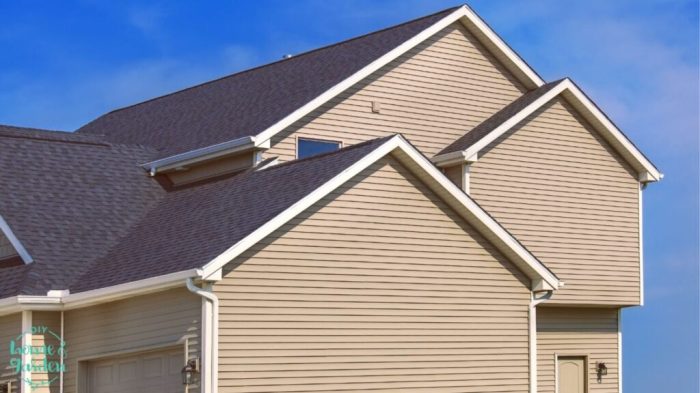
Quality siding and roofing are essential components of a home that play a crucial role in ensuring the safety, durability, and overall value of the property.
Enhancing Appearance and Value
By using high-quality materials for siding and roofing, homeowners can significantly enhance the aesthetic appeal of their property. Durable and well-maintained siding and roofing not only improve the curb appeal but also increase the resale value of the home.
Protection from Harsh Weather Conditions
Quality siding and roofing act as a protective barrier against the elements, such as rain, snow, wind, and UV rays. They help in maintaining the structural integrity of the home by preventing water damage, mold growth, and other issues that may arise due to exposure to harsh weather conditions.
Types of Quality Siding
When it comes to choosing the right siding for your home, there are several options available in the market, each with its own set of pros and cons. Understanding the different types of siding materials can help you make an informed decision based on your budget, style preferences, and maintenance requirements.
Vinyl Siding
- Pros: Affordable, low maintenance, comes in a variety of colors and styles.
- Cons: Can crack or fade over time, may not be as durable as other materials.
Wood Siding
- Pros: Natural look, environmentally friendly, can be painted or stained.
- Cons: Requires regular maintenance (painting, staining, sealing), susceptible to rot and insect damage.
Fiber Cement Siding
- Pros: Durable, fire-resistant, low maintenance, can mimic the look of wood or stucco.
- Cons: More expensive than vinyl, can be heavy to install, may require professional installation.
Metal Siding
- Pros: Very durable, fire-resistant, low maintenance, can be recycled.
- Cons: Can dent, may rust over time, limited color options.
Maintenance Requirements
- Vinyl siding: Wash annually with a hose and mild detergent.
- Wood siding: Repaint or restain every 3-7 years, inspect for rot or insect damage regularly.
- Fiber cement siding: Wash with a hose and mild detergent, inspect for cracks or damage annually.
- Metal siding: Wash with a hose and mild detergent, inspect for dents or rust regularly.
Factors to Consider When Choosing Roofing Materials
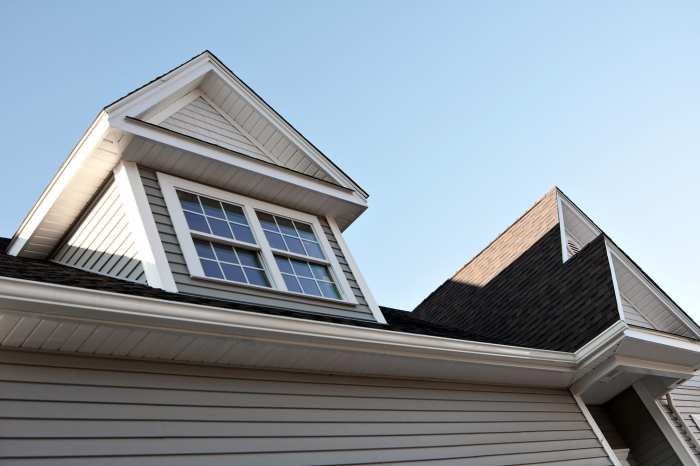
When selecting roofing materials for your home, there are several important factors to consider to ensure you make the right choice. Factors such as climate, location, durability, and longevity play a crucial role in determining the best roofing option for your specific needs.
Impact of Climate and Location
The climate and location of your home are significant factors to consider when choosing roofing materials. For example, in areas with high humidity or frequent rain, it is essential to select materials that are resistant to moisture and mold growth.
Similarly, in regions prone to high winds or storms, durable materials that can withstand extreme weather conditions are recommended.
Durability and Longevity of Roofing Options
Asphalt Shingles
Asphalt shingles are a popular choice due to their affordability and ease of installation. However, they may not be as durable as other options and may require more frequent maintenance and replacement.
Metal Roofing
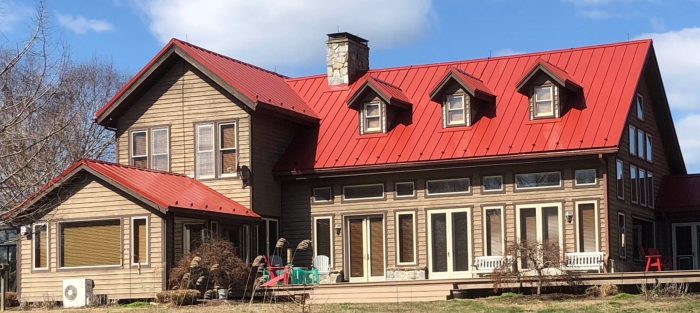
Metal roofing is known for its durability and longevity, with some materials lasting up to 50 years or more. Metal roofs are also resistant to fire, rot, and insect damage, making them a great option for homeowners looking for a long-term solution.
Clay Tiles
Clay tiles are a classic choice known for their aesthetic appeal and longevity. While they are durable and can last for decades, they may be more expensive than other options and require professional installation to ensure proper sealing and support.Consider these factors carefully when choosing roofing materials to ensure that you select the best option for your home that will provide protection and durability for years to come.
Installation Process for Quality Siding and Roofing
Installing quality siding and roofing is a crucial part of maintaining a home’s structural integrity and aesthetic appeal. Proper installation ensures that these components can withstand various weather conditions and protect the interior of the house.
Installation Process for Quality Siding:
When it comes to installing quality siding, there are several key steps involved:
- Preparation: This involves removing the old siding, repairing any damaged areas, and ensuring that the walls are clean and ready for the new siding.
- Insulation: Proper insulation helps improve energy efficiency and protects against moisture buildup. Insulation materials are installed before the siding goes up.
- Finishing: Once the siding is in place, finishing touches such as caulking, painting, or sealing may be applied to enhance the appearance and durability of the siding.
The typical timeline for a siding installation project can vary depending on the size of the house and the complexity of the job. However, in general, a siding installation project can take anywhere from a few days to a couple of weeks to complete.
Installation Process for Quality Roofing:
When it comes to installing quality roofing, a meticulous process is followed to ensure durability and longevity:
- Underlayment: A waterproof underlayment is installed over the roof deck to provide an extra layer of protection against water infiltration.
- Shingle Installation: Roofing shingles are then placed carefully in overlapping rows, starting from the bottom edge of the roof and working upwards. Properly securing the shingles is essential to prevent leaks and wind damage.
Maintenance Tips for Siding and Roofing
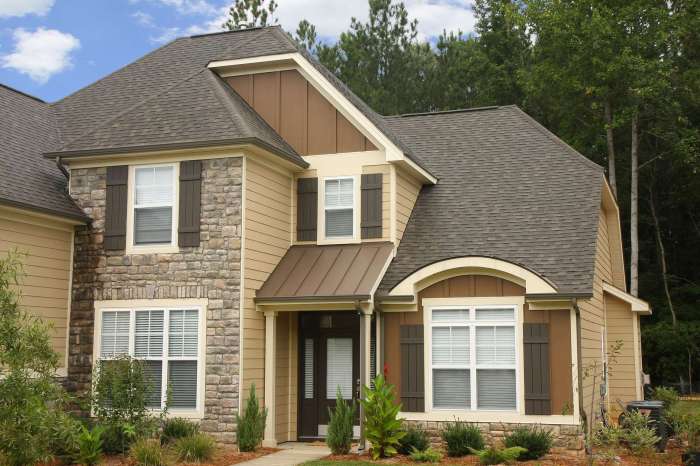
Regular maintenance is essential to ensure the longevity and performance of your siding and roofing. By following these maintenance tips, you can prevent costly repairs and prolong the lifespan of your home’s exterior.
Maintenance Tips for Siding
- Regularly inspect your siding for signs of damage, such as cracks, warping, or discoloration.
- Clean your siding at least once a year to remove dirt, mold, and mildew buildup.
- Trim any trees or shrubs near your home to prevent branches from scratching or damaging the siding.
- Repair any damaged or loose siding promptly to prevent water infiltration and further damage.
Maintenance Tips for Roofing
- Inspect your roof at least twice a year, especially after severe weather, to check for missing shingles, leaks, or other damage.
- Clean your gutters regularly to prevent clogs and ensure proper drainage of water from the roof.
- Trim overhanging branches to prevent damage from falling debris or branches during storms.
- Check for signs of mold, algae, or moss growth on the roof and treat it promptly to prevent further damage.
Last Word
As we draw the curtains on this discussion, it’s evident that quality siding and roofing play a pivotal role in safeguarding homes and elevating their aesthetics. With the right materials and maintenance strategies, homeowners can enjoy a durable and visually appealing property for years to come.
Frequently Asked Questions
What are the benefits of quality siding and roofing?
Quality siding and roofing enhance the appearance, value, and protection of a home against harsh weather conditions.
Which types of siding materials are popular in the market?
Popular siding options include vinyl, wood, fiber cement, and metal, each with its pros and cons.
How does climate impact the choice of roofing materials?
Climate influences the durability and longevity of roofing options like asphalt shingles, metal roofing, and clay tiles.
What maintenance tips can prolong the lifespan of siding materials?
Regular inspections and timely repairs can help identify and address issues early on, preventing costly repairs in the future.