

Embark on a journey into the world of stucco siding installation, where we explore its many benefits and the essential techniques required for a successful project.
Discover the versatility and durability of stucco siding as a popular choice in the construction industry.
Introduction to Stucco Siding Installation
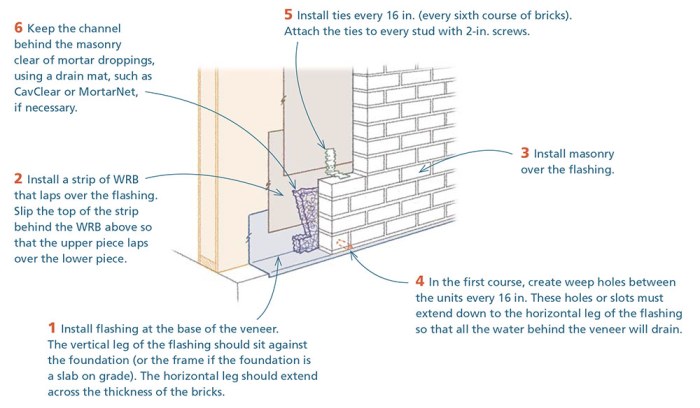
Stucco siding is a popular building material made from a mixture of cement, sand, lime, and water. It is applied in multiple layers to create a durable, weather-resistant exterior finish for buildings. Stucco siding offers benefits such as fire resistance, low maintenance, and excellent insulation properties.
Importance of Proper Installation Techniques
Proper installation techniques are crucial for stucco siding to perform effectively and maintain its durability over time. Improper installation can lead to cracking, moisture infiltration, and other issues. It is essential to follow manufacturer guidelines and ensure a skilled contractor handles the installation process.
Common Applications of Stucco Siding
Stucco siding is commonly used in residential and commercial construction projects. It can be applied to various substrates, including wood, concrete, and metal frames. Stucco siding is versatile and can be used for exterior walls, facades, and decorative elements to enhance the aesthetic appeal of a building.
Preparing for Stucco Siding Installation
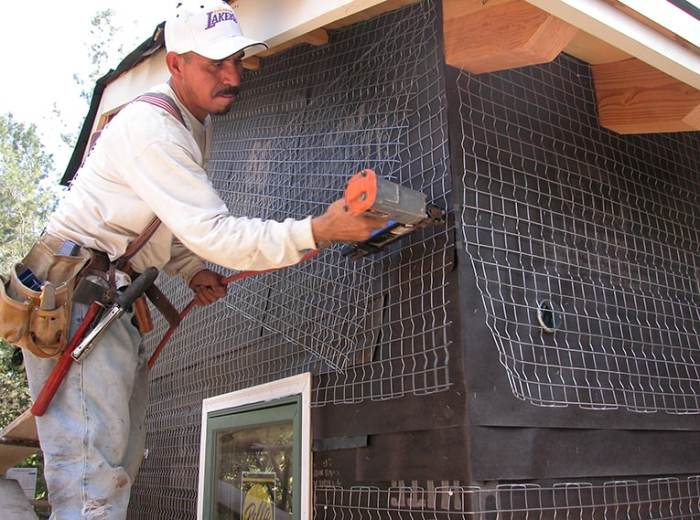
When getting ready for stucco siding installation, it is crucial to have the right tools and materials on hand. Additionally, proper preparation of the surface and adherence to safety precautions are essential to ensure a successful installation process.
Tools and Materials Required
- Trowel: Used for applying and shaping the stucco mixture.
- Hawk: Holds the stucco mixture for easy access while working.
- Stucco mix: The main material for creating the stucco finish.
- Wire brush: Helps in cleaning and preparing the surface before application.
- Scratch coat: Provides a base for the stucco to adhere to the surface.
Preparing the Surface
Before applying stucco, it is crucial to prepare the surface properly to ensure a strong bond and smooth finish. The steps involved in preparing the surface include:
- Clean the surface: Remove any dirt, debris, or loose particles using a wire brush.
- Repair any cracks: Fill in any cracks or holes with a suitable patching material to ensure a smooth surface.
- Apply the scratch coat: Create a rough texture on the surface by applying a scratch coat to help the stucco adhere better.
Safety Precautions
It is important to prioritize safety during the stucco siding installation process. Some safety precautions to consider include:
- Wear protective gear: Use gloves, safety goggles, and a mask to protect yourself from potential hazards.
- Work in a well-ventilated area: Ensure proper ventilation to avoid inhaling fumes from the stucco mix.
- Avoid direct skin contact: Stucco mix can be harsh on the skin, so it is important to wear appropriate clothing to prevent contact.
Installing Stucco Siding
When it comes to installing stucco siding, the application process is crucial in achieving a durable and visually appealing finish. Here is a step-by-step guide on how to apply the stucco mixture onto the prepared surface.
Applying the Stucco Mixture
- Start by mixing the stucco according to the manufacturer’s instructions, ensuring a smooth and lump-free consistency.
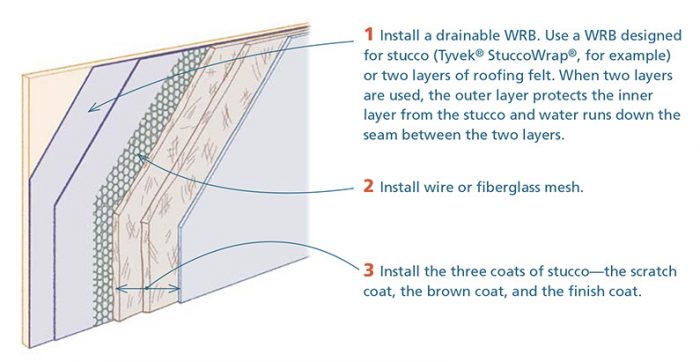
- Using a trowel, apply a base coat of stucco onto the surface, working in small sections to prevent drying out.
- Once the base coat is applied, scratch the surface with a scarifier to create texture for better adhesion of the next coat.
- Apply a second coat of stucco, known as the brown coat, using a trowel to achieve an even thickness throughout.
- Finally, apply the finish coat of stucco, using a float to smooth out any imperfections and achieve a uniform appearance.
Achieving a Smooth and Even Finish
- Work methodically and systematically, ensuring each section is covered evenly with the stucco mixture.
- Use a hawk and trowel to maintain a consistent thickness of the stucco layers, avoiding lumps or thin spots.
- Blend the stucco seamlessly between sections to avoid visible seams or inconsistencies in the finish.
- Regularly step back to assess the overall appearance and make adjustments as needed to achieve a smooth and even finish.
Adding Texture or Designs
- To add texture to the stucco siding, consider using a texture roller or a texture comb to create patterns or designs.
- Alternatively, you can use a float or trowel to create swirls or other textured finishes for a unique look.
- For more intricate designs, stencils can be used to create decorative elements on the stucco surface.
Curing and Finishing
Allowing the stucco to cure properly before finishing is crucial to ensure the durability and longevity of the siding. Proper curing allows the stucco to reach its maximum strength and hardness, making it more resilient to weather elements and wear over time.
Finishing the Stucco Surface
Once the stucco has properly cured, the finishing process can begin. This typically involves painting or sealing the stucco surface to enhance its appearance and protect it from moisture and other external factors.
- Clean the stucco surface thoroughly to remove any dirt or debris that may affect the finish.
- Apply a primer to the stucco to ensure better adhesion of the finishing material.
- Choose a high-quality paint or sealant suitable for stucco surfaces and apply it evenly to achieve a smooth and uniform finish.
- Follow the manufacturer’s instructions for drying and curing times to allow the finish to set properly.
Maintaining Stucco Siding
Proper maintenance is essential to keep stucco siding in top condition and extend its lifespan. Here are some tips to help you maintain your stucco siding:
- Regularly inspect the stucco surface for any cracks, chips, or damage, and repair them promptly to prevent water infiltration.
- Clean the stucco siding periodically using a gentle detergent and water to remove dirt, mildew, or other stains.
- Trim any vegetation near the stucco siding to prevent moisture buildup and potential damage.
- Reapply a fresh coat of paint or sealant every few years to protect the stucco surface and maintain its appearance.
Conclusion
In conclusion, mastering the art of stucco siding installation can transform any building project, providing a long-lasting and visually appealing finish that stands the test of time.
Top FAQs
Is stucco siding suitable for all types of climates?
Stucco siding can be adapted for various climates, but it may require additional insulation in extreme weather conditions. Consult with a professional for specific recommendations.
Can stucco siding be painted?
Yes, stucco siding can be painted to refresh its appearance or change the color scheme of a building. Make sure to use paint specifically designed for stucco surfaces for best results.
How long does stucco siding typically last?
With proper maintenance, stucco siding can last for decades, providing a durable and attractive exterior finish for residential and commercial buildings.