

Embark on a journey into the realm of siding and gutters, where we unravel the intricacies of these essential elements in construction and maintenance. From the diverse range of siding materials to the crucial role of gutter systems, this exploration promises a wealth of insights for homeowners and enthusiasts alike.
Delve deeper into the nuances of installation processes, maintenance practices, and repair solutions, as we navigate through the landscape of siding and gutters.
Types of Siding Materials
When it comes to choosing siding materials for your home, there are various options available, each with its own set of pros and cons. Here are five common types of siding materials used in construction:
Vinyl Siding
- Pros:Affordable, low maintenance, comes in a variety of colors and styles.
- Cons:Not as durable as other materials, can crack or fade over time.
Fiber Cement Siding
- Pros:Durable, resistant to fire, insects, and rot, low maintenance.
- Cons:Higher initial cost, may require repainting over time.
Wood Siding
- Pros:Natural look and feel, environmentally friendly, can be painted or stained.
- Cons:High maintenance, susceptible to rot, pests, and moisture damage.
Brick Siding
- Pros:Extremely durable, low maintenance, excellent insulation properties.
- Cons:Higher cost upfront, requires professional installation.
Stone Veneer Siding
- Pros:Luxurious appearance, durable, adds value to the home.
- Cons:Expensive, heavy, may require additional support for installation.
Each siding material offers a unique aesthetic appeal and is suitable for different architectural styles. It’s important to consider factors such as durability, maintenance requirements, and cost when choosing the right siding material for your home.
Gutter Systems
Gutters play a crucial role in a building’s infrastructure by directing rainwater away from the foundation, preventing water damage, erosion, and flooding.
Types of Gutter Systems
There are several types of gutter systems available to suit different needs:
- Sectional Gutters: These are made of smaller sections joined together, typically made of vinyl, aluminum, or steel. They are more affordable but may have more seams that can lead to leaks.
- Seamless Gutters: These are custom-made to fit the building without seams, reducing the risk of leaks. They are usually made of aluminum and require professional installation.
- Snap-On Gutters: These are easy to install and can be snapped onto the edge of the roof without the need for fasteners. They are often made of vinyl and are more affordable but may not be as durable as other types.
Importance of Proper Gutter Maintenance
Proper gutter maintenance is essential to prevent water damage to the building. Regular cleaning and inspection can help avoid clogs, leaks, and overflow, which can lead to costly repairs. It is recommended to clear debris, check for leaks, and ensure proper drainage to protect the building’s foundation and structure.
Installation Process
Installing siding and gutters is a crucial part of maintaining a building’s exterior and protecting it from the elements. Here, we will discuss the general steps involved in the installation process for both siding and gutters, along with tips for DIY installation versus hiring a professional.
Siding Installation Process
When it comes to installing siding on a building, the process typically involves several key steps to ensure a proper and long-lasting installation:
- Preparation: This includes removing the old siding, preparing the surface, and ensuring proper insulation.
- Measurement and Cutting: Accurate measurements are crucial to ensure the siding fits correctly. Cutting the siding to the appropriate size and shape is essential.
- Installation: The siding is then installed starting from the bottom and working upwards. Each piece should be securely attached and properly aligned.
- Finishing Touches: Once the siding is installed, finishing touches such as corner pieces, trim, and caulking are added to complete the look and ensure a weather-tight seal.
Gutter Installation Process
Installing gutters involves a similar process, focusing on effectively channeling water away from the building to prevent water damage:
- Measuring: Accurate measurements are crucial to ensure the gutters fit the roofline properly.
- Cutting: Gutters may need to be cut to the appropriate size, taking into account corners and downspouts.
- Securing: Gutters are then secured to the roofline using brackets or hangers to ensure stability and proper drainage.
- Downspouts: Downspouts are attached to the gutters to direct water away from the building’s foundation.
Tips for DIY vs Professional Installation
- DIY Installation: If you have experience with similar projects and the necessary tools, DIY installation can be a cost-effective option. However, ensure you have the skills and knowledge required for a successful installation.
- Professional Installation: Hiring a professional ensures a high-quality installation and can save you time and effort. Professionals have the expertise and tools needed to complete the job efficiently.
Maintenance and Repair
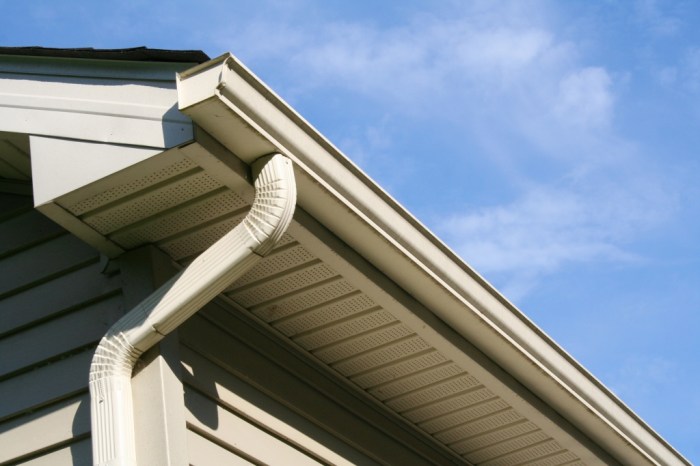
Regular maintenance is essential to ensure the longevity and appearance of your siding and gutters. By following some simple practices, you can prolong the lifespan of these elements and prevent costly repairs in the future.
Maintenance Practices for Siding
- Regularly inspect the siding for any signs of damage, such as cracks, holes, or warping.
- Clean the siding at least once a year using a mild detergent and a soft brush or cloth to remove dirt, mold, and mildew.
- Trim any vegetation near the siding to prevent moisture buildup and potential damage.
- Repaint or reseal the siding when necessary to protect it from the elements and maintain its appearance.
Effective Gutter Cleaning
- Clean the gutters at least twice a year to remove debris such as leaves, twigs, and dirt that can clog the system.
- Use a ladder and gloves to scoop out the debris, then flush the gutters with water to ensure proper drainage.
- Inspect the gutters for any signs of sagging, rust, or leaks, and repair or replace damaged sections as needed.
Signs of Damage to Watch Out For
- For siding: Look out for peeling paint, discoloration, or loose panels, as these can indicate underlying damage.
- For gutters: Watch for overflowing water, sagging gutters, or water leaks near the foundation, which could signal a clog or damage.
- Address any signs of damage promptly to prevent further issues and protect your home from water damage.
Wrap-Up

As we conclude our exploration of siding and gutters, we reflect on the vital importance of these components in safeguarding homes and enhancing architectural aesthetics. From choosing the right materials to executing proper maintenance, the world of siding and gutters offers a myriad of opportunities for homeowners to elevate their living spaces.
FAQ
What are the signs of damage to gutters that homeowners should watch out for?
Common signs include sagging gutters, water overflow, and visible cracks or leaks. Regular inspection can help identify these issues early for timely repairs.
Is DIY installation of siding and gutters recommended?
While DIY installation can be feasible for some homeowners with the right skills, hiring a professional ensures proper installation and reduces the risk of errors that could lead to costly repairs.
How often should gutters be cleaned to prevent water damage?
Gutters should ideally be cleaned at least twice a year, typically in the spring and fall, to remove debris and prevent clogs that can cause water damage to the building.