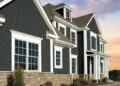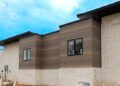

Embark on a journey through the world of American siding and windows, delving into the rich history, popular options, and latest trends that shape homes across the country.
Discover the key elements that define American homes and how siding and windows play a crucial role in both functionality and aesthetics.
American Siding and Windows Overview
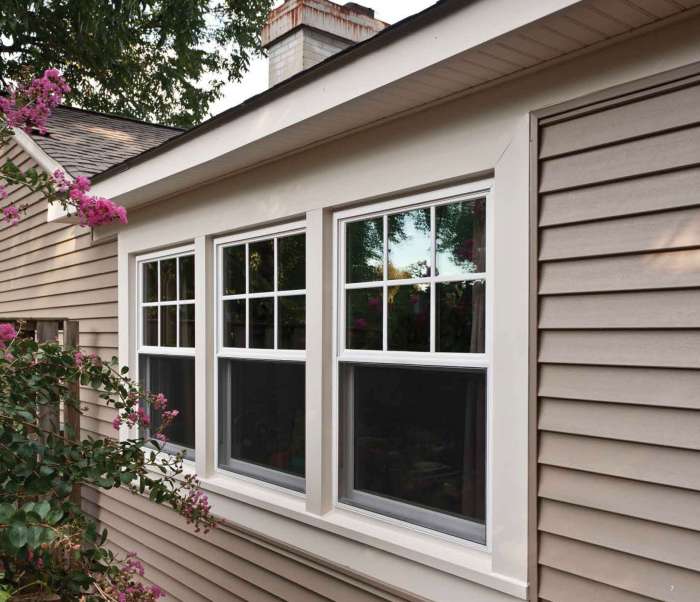
American siding and windows industry has a rich history dating back to the early days of home construction in the United States. Over time, advancements in technology and materials have revolutionized the way homes are built and renovated.
When it comes to siding materials commonly used in American homes, there are several popular options. These include:
Types of Siding Materials
- Vinyl: Vinyl siding is a durable, low-maintenance option that comes in a variety of colors and styles. It is a popular choice due to its affordability and ease of installation.
- Fiber Cement: Fiber cement siding is known for its durability and resistance to fire, rot, and pests. It can mimic the look of wood, brick, or stucco, providing homeowners with versatile design options.
- Wood: Wood siding offers a classic, natural look that can enhance the aesthetic appeal of a home. Cedar and redwood are popular wood choices due to their durability and resistance to decay.
- Engineered Wood: Engineered wood siding is a more affordable alternative to natural wood siding. It is made from wood fibers and resins, providing a stable and durable option for homeowners.
Windows play a crucial role in enhancing both the energy efficiency and aesthetics of American homes. Energy-efficient windows help reduce heating and cooling costs by minimizing heat transfer, while aesthetically pleasing windows can enhance the overall appearance of a home.
Popular Siding Options
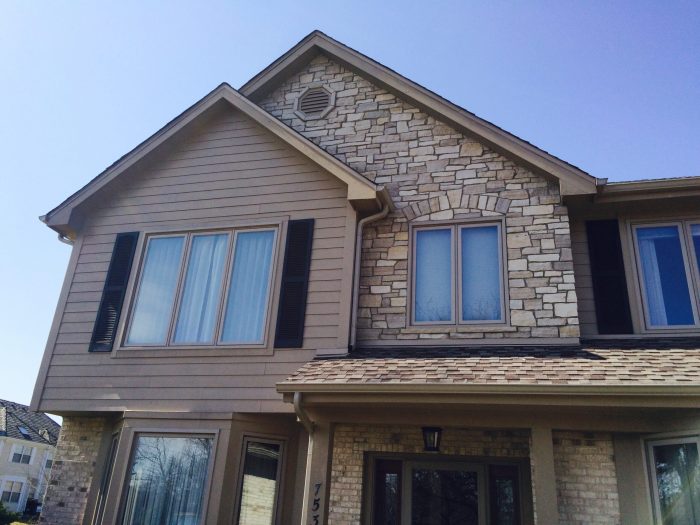
When it comes to choosing siding materials for your home, there are several popular options available. Each type of siding material has its own set of advantages and disadvantages, so it’s essential to understand the differences between them before making a decision.
Vinyl Siding
Vinyl siding is one of the most popular choices among homeowners due to its affordability and low maintenance requirements. It is durable, resistant to rot and insects, and comes in a wide range of colors and styles. However, vinyl siding may crack or fade over time, and it is not as environmentally friendly as other options.
Wood Siding
Wood siding offers a natural and classic look that many homeowners love. It can be painted or stained in various colors and is biodegradable, making it an eco-friendly choice. However, wood siding requires regular maintenance, including painting, staining, and pest control, to prevent rot and decay.
Fiber Cement Siding
Fiber cement siding is a durable and low-maintenance option that resists rot, fire, and insects. It can mimic the look of wood, stucco, or masonry and is available in a variety of colors and textures. While fiber cement siding is more expensive upfront, it can save money in the long run due to its longevity and minimal maintenance requirements.
Metal Siding
Metal siding, such as aluminum or steel, is known for its strength, durability, and resistance to fire and pests. It is also recyclable and energy-efficient, making it a sustainable choice for environmentally conscious homeowners. However, metal siding can be prone to dents, scratches, and rust if not properly maintained.Each type of siding material has its unique characteristics, so it’s essential to consider factors such as durability, maintenance requirements, cost, and aesthetics when choosing the right option for your home.
Window Styles and Trends
When it comes to window styles and trends, there is a wide range of options available to homeowners that can greatly impact the overall look and functionality of a home. Different styles such as double-hung, casement, bay, and picture windows offer unique features and benefits to consider.
Double-Hung Windows
- Consist of two sashes that slide up and down vertically
- Provide excellent ventilation control
- Classic and versatile option for traditional homes
Casement Windows
- Hinged on one side and swing outward
- Offer unobstructed views and excellent airflow
- Modern and energy efficient choice
Bay Windows
- Project outward from the home, creating a cozy nook inside
- Add architectural interest and increase natural light
- Perfect for enhancing a room’s aesthetics
Picture Windows
- Large, fixed windows that do not open
- Maximize natural light and provide unobstructed views
- Great for showcasing beautiful outdoor scenery
Emerging Trends in American Window Design
- Energy-efficient windows with low-E coatings and insulated frames
- Smart windows with built-in technology for automation and control
- Customizable options for unique shapes, sizes, and colors
Impact on Home Look and Functionality
- Window styles can enhance curb appeal and add character to a home
- Properly chosen windows can improve energy efficiency and reduce utility costs
- The right window style can optimize natural light and ventilation in different rooms
Installation Process

When it comes to installing siding on a residential property, there are several general steps involved to ensure a successful project. It is important to consider key factors when replacing windows in an American home as well. Here are some tips for a smooth siding and window installation process.
General Steps for Siding Installation:
- Prepare the exterior walls by cleaning and repairing any damage.
- Choose the appropriate siding material and style based on the home’s architecture and climate.
- Measure and cut the siding panels to fit the walls accurately.
- Install the siding panels starting from the bottom and working your way up, ensuring they are properly aligned and secured.
- Finish the installation with trim pieces and accessories for a polished look.
Key Factors for Window Replacement:
- Consider the energy efficiency of the windows to reduce heating and cooling costs.
- Choose a window style that complements the home’s architecture and enhances curb appeal.
- Ensure proper measurements to guarantee a perfect fit during installation.
- Select high-quality materials that are durable and easy to maintain.
- Check for local building codes and regulations regarding window replacements.
Tips for Successful Installation Projects:
- Hire a professional contractor with experience in siding and window installations for a seamless process.
- Communicate clearly with the contractor about your preferences, budget, and timeline for the project.
- Plan ahead and schedule the installation during favorable weather conditions to avoid delays.
- Inspect the work regularly to ensure quality and address any issues promptly.
- Follow proper maintenance guidelines to prolong the lifespan of your siding and windows.
Epilogue
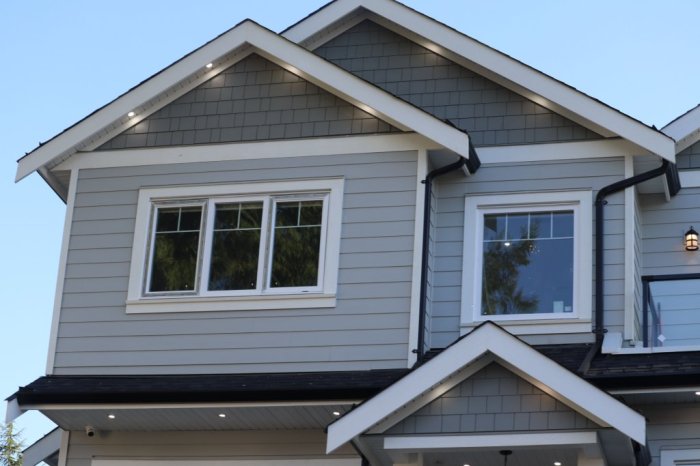
In conclusion, American siding and windows are not just functional components of a house but also key design elements that can elevate the overall look and feel of a home. Stay informed and inspired as you explore the possibilities for your own living space.
User Queries
What are the most common types of siding materials used in American homes?
Common siding materials in American homes include vinyl, wood, fiber cement, and metal, each with its own unique characteristics and benefits.
How do windows contribute to energy efficiency in American homes?
Windows play a crucial role in energy efficiency by providing insulation and allowing natural light to reduce the need for artificial lighting, thus lowering energy consumption.
What are some popular window styles preferred by American homeowners?
Popular window styles in American homes include double-hung, casement, bay, and picture windows, each offering unique aesthetics and functionality.