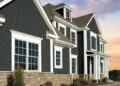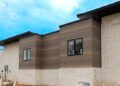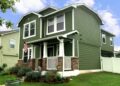

Delving into the realm of green exterior siding, this guide aims to provide a detailed overview of the various aspects related to this eco-friendly choice. From materials to design options, we’ve got you covered with all you need to know about green exterior siding.
Types of Green Exterior Siding
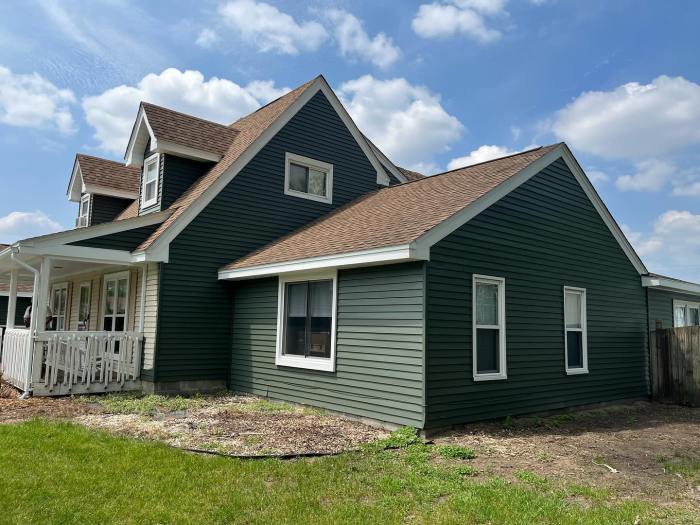
When it comes to green exterior siding options, there are several materials to choose from, each with its own unique characteristics and benefits.
Wood Siding
Wood siding offers a natural and rustic look to your home. While it is environmentally friendly and biodegradable, it requires regular maintenance to prevent rot, mold, and insect damage. With proper care, wood siding can last for many years.
Vinyl Siding
Vinyl siding is a popular choice due to its affordability and low maintenance requirements. It is durable, resistant to weathering, and comes in a variety of green shades. However, it may not be as environmentally friendly as other options and can crack or fade over time.
Fiber Cement Siding
Fiber cement siding is known for its durability and resistance to rot, fire, and pests. It can mimic the look of wood or masonry while requiring minimal maintenance. Fiber cement siding is a sustainable choice and can last for decades with proper installation and care.
Metal Siding
Metal siding, such as steel or aluminum, offers a sleek and modern appearance to your home. It is resistant to fire, rot, and insects, making it a low-maintenance option. However, metal siding may dent or scratch easily and can be prone to corrosion if not properly maintained.Overall, the choice of green exterior siding material will depend on factors such as budget, desired aesthetic, maintenance preferences, and environmental considerations.
Each type of siding has its own advantages and drawbacks, so it’s important to weigh these factors carefully before making a decision.
Benefits of Green Exterior Siding
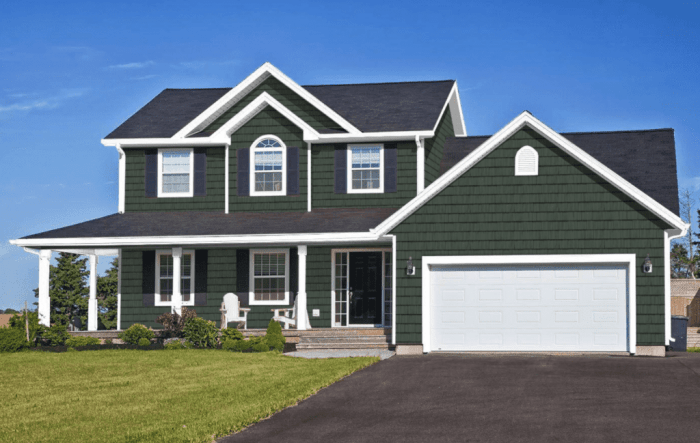
Green exterior siding offers a range of benefits that go beyond just aesthetics. Let’s explore how choosing green siding can positively impact both the environment and your home.
Environmental Benefits
- Reduces the demand for natural resources: Green exterior siding is often made from recycled materials or sustainable sources, helping to conserve natural resources.
- Lower carbon footprint: By choosing eco-friendly siding options, you can reduce the carbon footprint of your home and contribute to a healthier planet.
- Promotes sustainability: Green siding promotes sustainable practices in construction and encourages the use of renewable materials.
Energy Efficiency Advantages
- Improved insulation: Green siding can provide better insulation for your home, reducing the need for excessive heating or cooling and lowering energy bills.
- Regulates indoor temperature: By helping to maintain a consistent indoor temperature, green siding can decrease the reliance on heating and cooling systems.
- Energy savings: The energy efficiency of green siding can lead to significant cost savings over time, making it a smart investment for homeowners.
Healthier Indoor Environment
- Reduces exposure to toxins: Green siding materials are often free from harmful chemicals, providing a healthier indoor environment for you and your family.
- Prevents mold and mildew: Green siding can help to prevent moisture buildup and reduce the risk of mold growth, improving indoor air quality.
- Enhances overall well-being: By creating a healthier living space, green siding can contribute to your overall well-being and comfort at home.
Design Options for Green Exterior Siding
Green exterior siding offers a variety of design options that can enhance the overall look of a home. From different shades of green to incorporating textures and patterns, there are several ways to customize the exterior of a house with green siding.
Popular Shades of Green for Exterior Siding
- Forest Green: A deep, rich green that adds a sense of traditional elegance to the exterior of a home.
- Sage Green: A soft, muted green that creates a calming and welcoming atmosphere.
- Olive Green: A warm, earthy green that pairs well with natural wood accents.
Complementing Architectural Styles with Green Siding
- Modern Architecture: Sleek and minimalist designs can be complemented with a bold shade of green for a contemporary look.
- Craftsman Style: Earthy tones of green can enhance the natural elements of a Craftsman home, adding to its charm.
- Cape Cod Style: Lighter shades of green can evoke a coastal feel, perfect for a Cape Cod style home.
Incorporating Texture and Patterns into Green Siding Design
Texture and patterns can add visual interest and depth to green exterior siding. Consider options like:
- Horizontal or vertical siding for a clean and classic look.
- Shake or shingle siding for a rustic and textured appearance.
- Board and batten siding for a modern and geometric design.
Installation and Maintenance Tips

When it comes to installing and maintaining green exterior siding, there are several key factors to consider to ensure longevity and efficiency.
Installing Green Exterior Siding
- Begin by preparing the surface where the siding will be installed, ensuring it is clean, dry, and free of any debris.
- Follow the manufacturer’s instructions carefully, as different types of green siding may have specific installation requirements.
- Properly secure the siding to the exterior of the building using the recommended fasteners and techniques.
- Consider adding a weather-resistant barrier underneath the siding to provide additional protection against moisture.
Ensuring Proper Insulation
- Pay attention to proper insulation during the installation process to improve energy efficiency and reduce heating and cooling costs.
- Consider adding insulation materials between the siding and the exterior wall to prevent heat loss and maintain a comfortable indoor environment.
- Consult with a professional to determine the best insulation options for your specific green siding and climate conditions.
Maintaining and Cleaning Green Siding
- Regularly inspect the siding for any signs of damage, such as cracks, warping, or discoloration, and address them promptly to prevent further issues.
- Clean the siding periodically using a mild detergent and water to remove dirt, grime, and mold that may accumulate over time.
- Avoid using harsh chemicals or abrasive cleaners that could damage the siding’s finish and reduce its lifespan.
- Consider applying a protective coating or sealant to the siding to enhance its durability and resistance to weathering.
Last Point
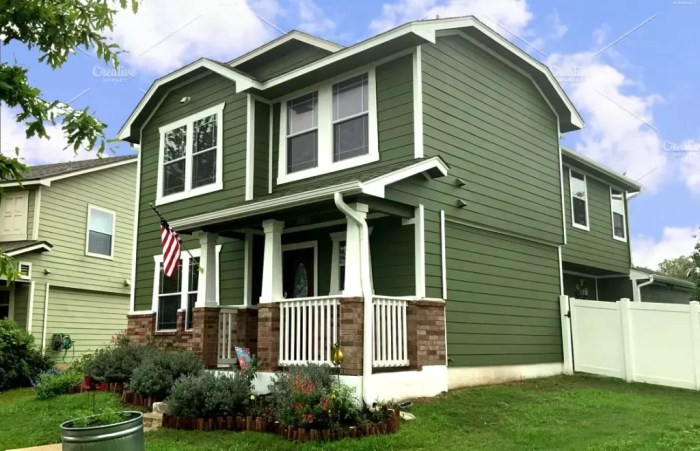
In conclusion, green exterior siding offers a sustainable and visually appealing option for homeowners looking to enhance their property. With its environmental benefits and design versatility, it’s a choice worth considering for your next home improvement project.
FAQ Section
What are the most common types of green exterior siding materials?
Common types include wood, vinyl, fiber cement, and metal, each with its own durability and maintenance requirements.
How does green exterior siding contribute to energy efficiency?
Green siding helps regulate indoor temperatures, reducing the reliance on heating and cooling systems, thus saving energy.
What are some popular shades of green for exterior siding?
Shades like sage green, olive green, and forest green are popular choices for green siding, offering a natural and soothing aesthetic.
How can homeowners maintain and clean green exterior siding effectively?
Regular cleaning with mild soap and water, along with inspections for damage, can help prolong the lifespan of green siding.