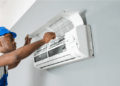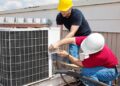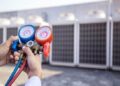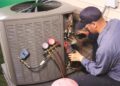

Exploring the world of HVAC maintenance costs, this article delves into the various factors that can impact these expenses, along with cost-effective tips to manage them efficiently. From the significance of regular maintenance to the debate between DIY and professional services, this comprehensive guide covers it all.
As we navigate through the intricacies of HVAC maintenance costs, let’s uncover the key aspects that can help you make informed decisions for your HVAC system.
Factors Impacting HVAC Maintenance Costs
Several factors can influence the cost of HVAC maintenance, impacting the overall expenses for homeowners or businesses. Understanding these factors can help individuals make informed decisions about their HVAC system’s upkeep.
Age of the HVAC System
The age of the HVAC system plays a crucial role in determining maintenance costs. Older systems may require more frequent repairs and part replacements, leading to higher overall expenses.
Frequency of Maintenance
Regular maintenance schedules can help prevent major breakdowns and costly repairs. Neglecting routine maintenance can result in more extensive issues that require professional intervention, increasing maintenance costs.
Quality of Installation
The initial installation quality of the HVAC system can impact its long-term maintenance costs. Poor installation can lead to inefficiencies and premature system failures, requiring more frequent maintenance and repairs.
Usage Patterns
The usage patterns of the HVAC system, such as extended operation hours or extreme temperature settings, can affect maintenance costs. Heavy usage may accelerate wear and tear on components, necessitating more frequent maintenance.
Environmental Conditions
The environmental conditions in which the HVAC system operates can also influence maintenance costs. Factors like humidity levels, air quality, and exposure to debris or contaminants can impact the system’s efficiency and performance, affecting maintenance expenses.
Cost-Effective HVAC Maintenance Tips
Maintaining your HVAC system doesn’t have to break the bank. By following some cost-effective tips and best practices, you can ensure your system runs efficiently without overspending on maintenance costs.
Regular Filter Replacement
- Regularly replace your HVAC system filters to ensure proper airflow and efficiency.
- Dirty filters can cause your system to work harder, leading to higher energy consumption and potential damage.
- Check your filters every month and replace them as needed to keep your system running smoothly.
Scheduled Maintenance Checks
- Invest in regular maintenance checks by professional technicians to catch any issues early on.
- Preventive maintenance can help identify potential problems before they escalate, saving you money on costly repairs.
- Consider signing up for a maintenance plan with your HVAC provider for regular inspections and tune-ups.
Proper Insulation and Sealing
- Ensure your home is properly insulated and sealed to prevent air leaks and maintain efficient temperature control.
- Proper insulation can reduce the load on your HVAC system, leading to lower energy bills and reduced maintenance costs.
- Check for gaps around doors, windows, and ductwork, and seal them to prevent air leakage.
Importance of Regular HVAC Maintenance
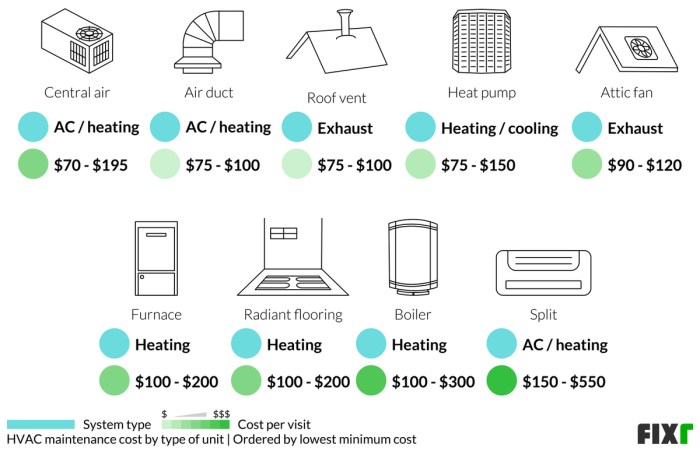
Regular HVAC maintenance plays a crucial role in ensuring the efficiency and longevity of your heating, ventilation, and air conditioning system. By investing in routine maintenance, you can not only save on costs but also prevent expensive repairs in the long run.
Preventing Costly Repairs
Regular HVAC maintenance involves inspecting and tuning up your system to identify any potential issues before they escalate into major problems. By addressing these issues early on, you can prevent costly breakdowns and repairs down the line. This proactive approach can help you avoid emergency service calls and the associated high costs.
- Regular cleaning and replacing of air filters can prevent airflow blockages and strain on the system, reducing the risk of mechanical failures.
- Checking and lubricating moving parts can help prevent wear and tear, extending the lifespan of your HVAC system.
- Calibrating thermostat settings and checking refrigerant levels can ensure optimal performance, reducing energy consumption and utility bills.
Preventive maintenance is like regular oil changes for your car – it helps keep your HVAC system running smoothly and efficiently, saving you money in the long run.
Cost Savings through Efficiency
In addition to preventing costly repairs, regular HVAC maintenance can also lead to significant cost savings through improved energy efficiency. A well-maintained system operates more efficiently, consuming less energy to heat or cool your space. This efficiency not only reduces your environmental impact but also lowers your utility bills over time.
- Regular maintenance ensures that your HVAC system operates at peak performance, minimizing energy waste and maximizing cost savings.
- Properly maintained systems are less likely to overwork or struggle to reach desired temperatures, resulting in reduced energy consumption.
- By investing in routine maintenance, you can enjoy the comfort of a well-regulated indoor environment while keeping your energy costs in check.
DIY vs. Professional HVAC Maintenance
When it comes to HVAC maintenance, homeowners often face the decision of whether to tackle the maintenance tasks themselves or hire professional technicians. Let’s explore the costs associated with both options and the advantages and disadvantages of each in terms of cost-effectiveness.
Costs Comparison
- DIY HVAC Maintenance:
- Costs typically involve purchasing tools, materials, and possibly tutorial resources.
- Initial investment in tools and materials can be high but may pay off in the long run for repeat maintenance tasks.
- No labor costs, as you are performing the maintenance yourself.
- Professional HVAC Maintenance:
- Costs include labor fees charged by HVAC technicians for inspection, cleaning, and repairs.
- Technicians may also recommend additional services or replacement parts, increasing the overall cost.
- Higher upfront costs compared to DIY, but ensures professional expertise and quality service.
Advantages and Disadvantages
- DIY HVAC Maintenance:
- Advantages:
- Cost-effective for simple maintenance tasks.
- Flexibility to schedule maintenance at your convenience.
- Disadvantages:
- Risk of improper maintenance leading to costly repairs or safety hazards.
- Lack of expertise compared to professional technicians.
- Advantages:
- Professional HVAC Maintenance:
- Advantages:
- Expertise and experience in identifying and resolving HVAC issues.
- Quality service and assurance of thorough maintenance.
- Disadvantages:
- Higher upfront costs compared to DIY maintenance.
- Dependence on technician availability and scheduling.
- Advantages:
Outcome Summary
In conclusion, understanding the nuances of HVAC maintenance costs is essential for ensuring optimal performance and longevity of your system. By implementing the right strategies and prioritizing regular maintenance, you can effectively manage costs while maximizing the efficiency of your HVAC unit.
FAQ Compilation
What are some factors that can influence HVAC maintenance costs?
Factors such as the age of the system, frequency of maintenance, and extent of repairs needed can impact HVAC maintenance costs.
How can I reduce HVAC maintenance costs?
You can reduce costs by performing regular maintenance tasks yourself, such as changing filters and cleaning coils, as well as scheduling professional tune-ups to catch issues early.
Why is regular HVAC maintenance important for cost savings?
Regular maintenance helps identify minor issues before they escalate into costly repairs, ultimately saving you money in the long run.
What are the advantages of hiring professionals for HVAC maintenance?
Professionals have the expertise to spot potential problems early, ensuring your system operates efficiently and reducing the risk of major breakdowns.
Is DIY HVAC maintenance cost-effective in the long run?
While DIY maintenance can save money upfront, it may lead to overlooked issues that could result in higher costs down the line. Professional maintenance can offer more comprehensive care.