
AC tune up is a crucial aspect of maintaining your cooling system to ensure optimal performance and longevity. From improving energy efficiency to addressing common AC issues, a tune-up covers various components that play a key role in keeping your AC unit running smoothly.
Let’s dive into the world of AC tune-ups and explore the benefits, components checked, common issues addressed, and DIY maintenance tips to keep your system in top shape.
Importance of AC Tune Up
Regular AC tune-ups are essential for maintaining the efficiency and longevity of your air conditioning unit. By scheduling routine maintenance, you can enjoy a wide range of benefits that contribute to a comfortable indoor environment and cost savings in the long run.
Improved Energy Efficiency
- During an AC tune-up, the technician will clean and inspect various components of the unit, such as the filters, coils, and fins. By ensuring that these parts are clean and in good condition, the AC system can operate more efficiently.
- Proper maintenance can help reduce the workload on the unit, leading to lower energy consumption and decreased utility bills. A well-maintained AC system does not have to work as hard to cool your home, resulting in improved energy efficiency.
Extended Lifespan of AC Unit
- Regular tune-ups can help identify and address minor issues before they turn into major problems. This proactive approach can prevent costly repairs or even premature replacement of the entire unit.
- By keeping your AC system well-maintained, you can extend its lifespan and avoid the inconvenience of a sudden breakdown during the peak cooling season. Proper care and maintenance can help your air conditioner operate effectively for many years to come.
Components Checked During AC Tune Up
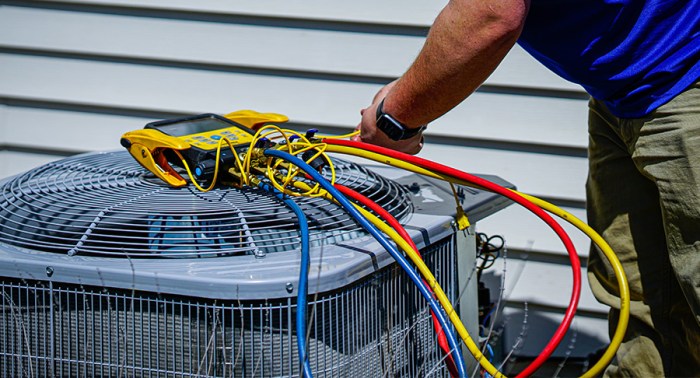
During an AC tune-up, several key components are inspected to ensure optimal performance and efficiency of the system. This maintenance process is crucial for the longevity of your air conditioning unit and to prevent any potential breakdowns during peak usage times.
Refrigerant Levels
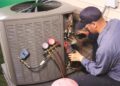
Checking the refrigerant levels in your air conditioner is essential for its proper functioning. Low refrigerant levels can lead to decreased cooling efficiency and potential damage to the compressor. It is important to ensure that the refrigerant levels are at the manufacturer’s recommended specifications to maintain peak performance.
Evaporator and Condenser Coils
Inspecting and cleaning the evaporator and condenser coils are vital steps in an AC tune-up. Over time, these coils can accumulate dirt, dust, and debris, which can restrict airflow and reduce the efficiency of the system. Cleaning the coils helps improve airflow, enhance cooling performance, and prolong the lifespan of the air conditioner.
Common AC Issues Addressed During Tune Up
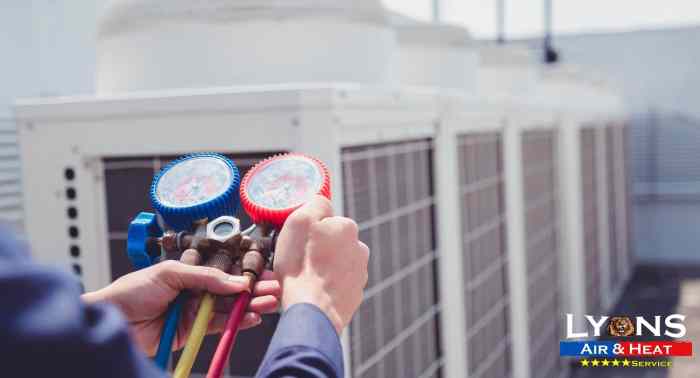
During a routine AC tune-up, technicians address a variety of common issues to ensure your system is running efficiently and effectively.
Identifying and Fixing Refrigerant Leaks
Refrigerant leaks can cause your AC system to underperform and lead to higher energy bills. Technicians use specialized tools to detect leaks, such as UV dye and leak detectors. Once identified, the technician can repair the leak and recharge the system with the correct amount of refrigerant to ensure optimal performance.
Importance of Checking and Changing Air Filters
Checking and changing air filters is a crucial part of AC maintenance. Dirty filters can restrict airflow, causing your system to work harder and consume more energy. Technicians inspect and replace dirty filters during a tune-up to improve air quality, maximize efficiency, and prolong the lifespan of your AC unit.
DIY AC Maintenance Tips
Maintaining your AC system between professional tune-ups is crucial to ensure its optimal performance and longevity. Here are some tips to help you keep your AC running smoothly:
Cleaning the Exterior Unit
Regularly cleaning the exterior unit of your AC is essential to prevent debris buildup and ensure proper airflow. Here’s how you can do it:
- Turn off the power to the unit before starting any maintenance.
- Remove any debris such as leaves, branches, and dirt from around the unit.
- Gently clean the exterior of the unit using a soft brush or cloth to remove dust and dirt.
- Check the fins for any damage and straighten them if necessary to maintain airflow.
- Trim any vegetation around the unit to ensure proper ventilation.
Changing Air Filters
Regularly changing the air filters in your AC system is one of the simplest yet most important maintenance tasks. Here’s how you can do it correctly:
- Check your air filters every month and replace them if they appear dirty or clogged.
- Follow the manufacturer’s recommendations for the type and size of air filters to use.
- Turn off the power to the AC unit before removing and replacing the air filters.
- Insert the new air filter in the correct orientation, following the arrows indicating airflow direction.
- Make sure the air filter is securely in place before turning the power back on.
Last Word
In conclusion, regular AC tune-ups are essential to keep your system running efficiently and effectively. By understanding the importance of maintenance, homeowners can ensure their AC units operate at peak performance, saving energy and extending the lifespan of the system.
Stay proactive with your AC tune-ups to enjoy cool and comfortable indoor environments all year round.
Question & Answer Hub
How often should I schedule an AC tune-up?
You should ideally schedule an AC tune-up once a year to ensure optimal performance and prevent any potential issues.
Can I perform an AC tune-up on my own?
While some maintenance tasks can be done by homeowners, it’s best to have a professional technician perform a thorough tune-up to address all components effectively.
What is the significance of checking refrigerant levels?
Checking refrigerant levels is crucial as low levels can indicate a leak, affecting the cooling capacity of your AC unit.