
When it comes to HVAC repair near me, it’s crucial to understand the ins and outs of maintaining a comfortable indoor environment. From the importance of timely repairs to finding the right local services, this comprehensive guide covers it all.
So, let’s dive in and explore the world of HVAC repair together.
Importance of HVAC Repair
Keeping your HVAC system in good working condition is crucial for maintaining a comfortable indoor environment and ensuring energy efficiency. Timely repairs and regular maintenance play a vital role in achieving this.
Preventing Major Repair Needs Through Regular Maintenance
- Regular maintenance, such as cleaning filters and checking for leaks, can help identify small issues before they escalate into major repair needs.
- By addressing minor problems early on, you can avoid costly repairs down the line and extend the lifespan of your HVAC system.
- Investing in routine maintenance can also improve the overall efficiency of your system, leading to lower energy bills and reduced energy consumption.
Impact of Neglecting HVAC Repairs on Energy Efficiency and Indoor Air Quality
- Neglecting HVAC repairs can result in decreased energy efficiency, as the system may have to work harder to maintain the desired temperature.
- This increased strain can lead to higher energy bills and potentially shorten the lifespan of your HVAC system.
- Furthermore, neglected repairs can also impact indoor air quality, allowing pollutants and allergens to circulate throughout your home.
- Regular HVAC maintenance and timely repairs are essential for ensuring optimal performance, energy efficiency, and indoor air quality.
Finding Local HVAC Repair Services
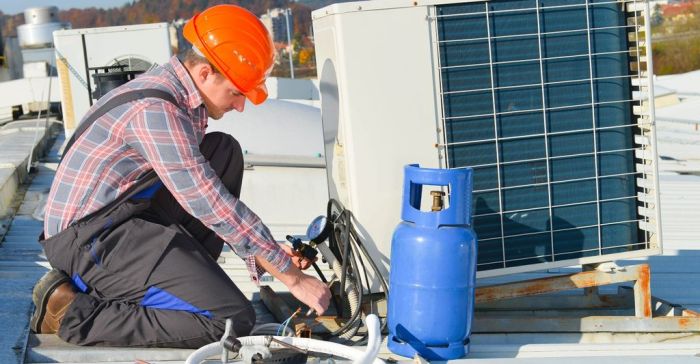
When it comes to HVAC repair, finding local services can offer several benefits. Not only can local companies provide quicker response times, but they also have a better understanding of the climate and specific needs in your area. Here are some tips on how to search for “HVAC repair near me” online effectively and how to choose the right HVAC repair company.
Benefits of Hiring Local HVAC Repair Services
- Quick response times: Local HVAC repair companies can usually respond to emergencies faster than larger, national companies.
- Knowledge of local climate: Local companies understand the climate in your area and can provide tailored solutions to keep your HVAC system running efficiently.
- Personalized service: With a local company, you are more likely to receive personalized attention and build a relationship with the technicians.
Searching for “HVAC Repair Near Me” Online
When searching for HVAC repair services online, be sure to include your location in the search query to find local companies. Look for reviews and ratings to gauge the reputation of the company.
- Use search engines: Utilize search engines like Google or Bing to search for “HVAC repair near me” and browse through the results.
- Check online directories: Websites like Yelp or Angie’s List can provide a list of local HVAC repair companies with reviews from previous customers.
Tips for Evaluating and Choosing the Right HVAC Repair Company
- Check credentials: Ensure the company is licensed, bonded, and insured to protect yourself and your property.
- Ask for referrals: Seek recommendations from friends, family, or neighbors who have used local HVAC repair services.
- Get multiple quotes: Obtain quotes from several local companies to compare pricing and services offered.
Common HVAC Issues
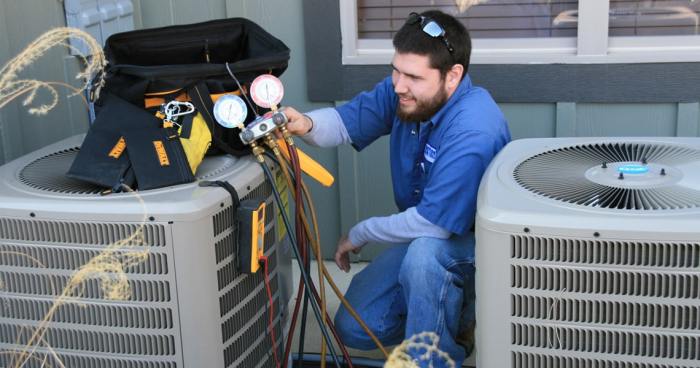
When it comes to HVAC systems, there are several common issues that may arise, leading to the need for repair. Recognizing the symptoms of these problems is crucial in order to address them promptly and prevent further damage to the system.
It’s important to accurately diagnose HVAC issues before proceeding with any repairs to ensure the problem is effectively resolved.
1. Lack of Maintenance
One of the most common issues with HVAC systems is a lack of regular maintenance. Over time, dust and debris can build up in the system, leading to reduced efficiency and airflow. Without proper maintenance, the system may break down more frequently and require costly repairs.
2. Refrigerant Leaks
Refrigerant leaks can cause your HVAC system to underperform and may lead to increased energy bills. If you notice that your system is struggling to cool or heat your home effectively, it may be due to a refrigerant leak.
3. Electrical Problems
Electrical issues, such as faulty wiring or a malfunctioning thermostat, can affect the performance of your HVAC system. If you experience frequent power surges, strange noises, or inconsistent temperatures, it may indicate an electrical problem that requires repair.
4. Clogged Air Filters
Clogged air filters can restrict airflow and cause your HVAC system to work harder than necessary. This can lead to increased energy consumption and reduced indoor air quality. Regularly changing your air filters can help prevent this common issue.
DIY HVAC Troubleshooting
When it comes to basic HVAC troubleshooting, there are a few steps you can take to try and identify and potentially fix common issues with your system. However, it’s important to remember that more complex issues should be handled by a professional HVAC technician to avoid causing further damage.
Step-by-Step Guide for Basic HVAC Troubleshooting
- Check the Thermostat: Make sure the thermostat is set to the correct temperature and mode. Replace the batteries if needed.
- Inspect the Air Filter: A dirty air filter can restrict airflow and cause issues with your HVAC system. Replace the filter if it’s dirty.
- Check Circuit Breakers: Ensure that the circuit breakers for your HVAC system are not tripped. Reset them if necessary.
- Inspect Vents and Registers: Make sure all vents and registers are open and unobstructed to allow for proper airflow.
- Listen for Unusual Noises: If you hear any strange noises coming from your HVAC system, it could indicate a problem that needs attention.
Safety Measures for DIY HVAC Repairs
- Turn Off Power: Before attempting any DIY HVAC repairs, always turn off the power to your system to avoid the risk of electrical shock.
- Wear Protective Gear: When working on your HVAC system, wear gloves and safety goggles to protect yourself from any potential hazards.
- Use Caution: Be careful when handling sharp tools or moving parts within your HVAC system to prevent injury.
Common Tools Needed for DIY HVAC Troubleshooting
- Screwdriver Set: A set of screwdrivers will come in handy for removing panels and accessing components within your HVAC system.
- Multimeter: A multimeter can help you test electrical components and circuits to identify any issues.
- Vacuum Cleaner: Keeping your HVAC system clean is essential, so having a vacuum cleaner on hand can help remove dust and debris.
Last Recap
In conclusion, ensuring your HVAC system is in top-notch condition is key to a cozy and energy-efficient home. By prioritizing regular maintenance and swift repairs, you can enjoy a comfortable living space all year round. Stay informed, stay proactive, and keep your HVAC system running smoothly.
Detailed FAQs
What are some signs that indicate the need for HVAC repair?
Common signs include strange noises, uneven heating or cooling, and increased energy bills. If you notice any of these, it’s best to call a professional for inspection.
Is DIY HVAC troubleshooting recommended?
While basic troubleshooting can be done, it’s generally best to leave major repairs to professionals. Safety should always be a top priority when dealing with HVAC systems.
How often should HVAC systems be maintained?
It’s recommended to have your HVAC system serviced at least once a year to ensure optimal performance and prevent major issues down the line.