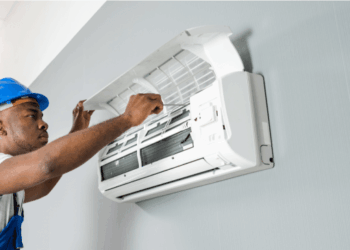

Delving into the realm of annual HVAC maintenance cost, this piece offers a comprehensive look at the factors influencing expenses, components included in maintenance, cost-saving tips, and regional variations. It aims to provide valuable insights for homeowners and businesses alike, shedding light on the importance of regular maintenance for optimal system performance and efficiency.
From discussing system age and size to highlighting DIY strategies and environmental impacts, this guide is designed to equip readers with the knowledge they need to make informed decisions about their HVAC maintenance practices.
Factors influencing annual HVAC maintenance cost
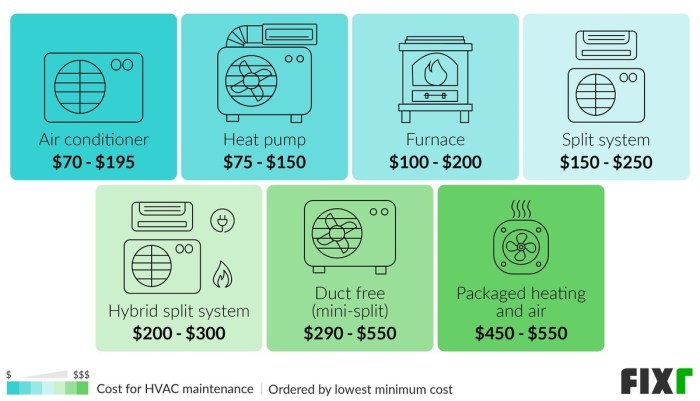
Regular maintenance of your HVAC system is crucial to ensure optimal performance and longevity. Several factors can influence the annual cost of maintaining your HVAC system, impacting your budget and overall comfort. Let’s explore some key factors that can affect these maintenance expenses.
Impact of system age on maintenance expenses
As HVAC systems age, they may require more frequent repairs and parts replacements. Older systems tend to be less energy-efficient and may experience more wear and tear over time. This can result in higher maintenance costs as technicians work to keep the system running smoothly.
Regular maintenance can help extend the lifespan of your HVAC system and reduce the impact of aging on maintenance expenses.
Size of the HVAC system and maintenance costs
The size of your HVAC system can also impact maintenance costs. Larger systems typically require more maintenance to ensure all components are functioning correctly. Additionally, larger systems may have more complex ductwork and components that need regular inspection and cleaning.
It’s important to consider the size of your HVAC system when budgeting for annual maintenance costs.
Frequency of maintenance visits and annual expenses
The frequency of maintenance visits can also influence your annual HVAC maintenance costs. Regular maintenance visits can help identify and address issues before they escalate, reducing the likelihood of costly repairs down the line. By scheduling routine maintenance appointments, you can keep your HVAC system in top condition and potentially lower your overall annual maintenance expenses.
Components included in annual HVAC maintenance
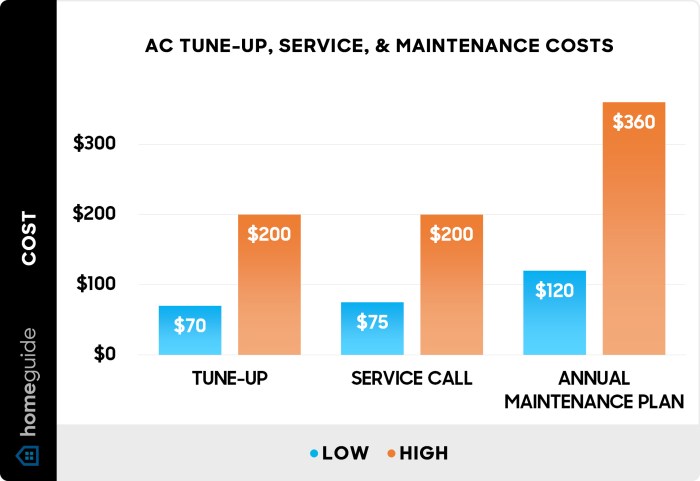
When it comes to annual HVAC maintenance, there are several key components that are typically included in the service. These components help ensure that your HVAC system is running efficiently and effectively throughout the year.
Inspection process for HVAC units during maintenance
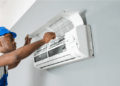
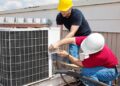
During the maintenance service, HVAC technicians will thoroughly inspect all components of your HVAC unit. This includes checking for any signs of wear and tear, leaks, or malfunctions. They will also inspect the electrical connections, thermostat settings, and overall system performance to identify any potential issues that need to be addressed.
Importance of cleaning and replacing filters in maintenance routines
One crucial aspect of HVAC maintenance is cleaning and replacing filters. Dirty filters can restrict airflow, reduce system efficiency, and lead to increased energy consumption. Regularly cleaning or replacing filters ensures that your HVAC system can operate smoothly and effectively, improving indoor air quality and reducing the risk of system breakdowns.
Significance of checking refrigerant levels for system efficiency
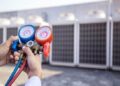
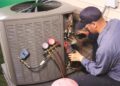
Checking refrigerant levels is another essential part of HVAC maintenance. Proper refrigerant levels are crucial for the efficient operation of your HVAC system. Low refrigerant levels can lead to decreased cooling capacity, higher energy bills, and potential damage to the compressor.
By regularly checking and maintaining proper refrigerant levels, you can ensure that your HVAC system operates at peak performance and remains energy-efficient.
Cost-saving tips for annual HVAC maintenance
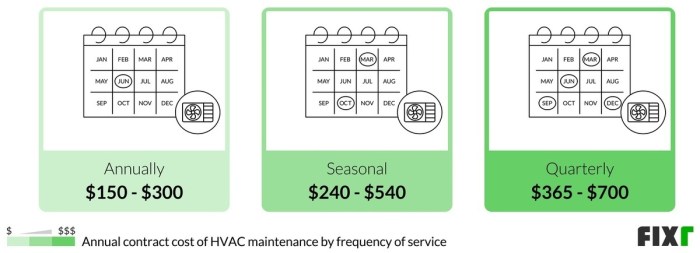
Regular HVAC maintenance is essential to ensure your system operates efficiently and lasts longer. Here are some cost-saving tips to help you maintain your HVAC system without breaking the bank.
DIY Maintenance Strategies
- Regularly change air filters: Dirty filters can restrict airflow and cause your system to work harder, leading to higher energy consumption. By changing filters every 1-3 months, you can improve efficiency and reduce strain on your HVAC system.
- Clean coils and fins: Dust and debris can accumulate on coils and fins, hindering heat transfer. Regularly cleaning these components can improve system efficiency and prevent breakdowns.
- Inspect and clean ducts: Leaky or dirty ducts can lead to energy loss and poor indoor air quality. Inspecting and sealing ducts can improve airflow and reduce energy consumption.
Benefits of Regular Maintenance
- Prevents costly repairs: Regular maintenance helps identify and address small issues before they escalate into major problems, saving you money on expensive repairs.
- Improves energy efficiency: A well-maintained HVAC system operates more efficiently, reducing energy consumption and lowering utility bills.
- Extends system lifespan: By taking care of your HVAC system, you can help it last longer, delaying the need for costly replacements.
Upgrading to Energy-efficient Components
- Investing in energy-efficient components such as programmable thermostats, high-efficiency filters, and variable-speed motors can lower long-term maintenance expenses by reducing energy consumption and wear and tear on the system.
- Upgrading to a newer, more efficient HVAC system can also result in significant cost savings over time, as newer models are designed to be more energy-efficient and require less maintenance.
Regional variations in annual HVAC maintenance costs
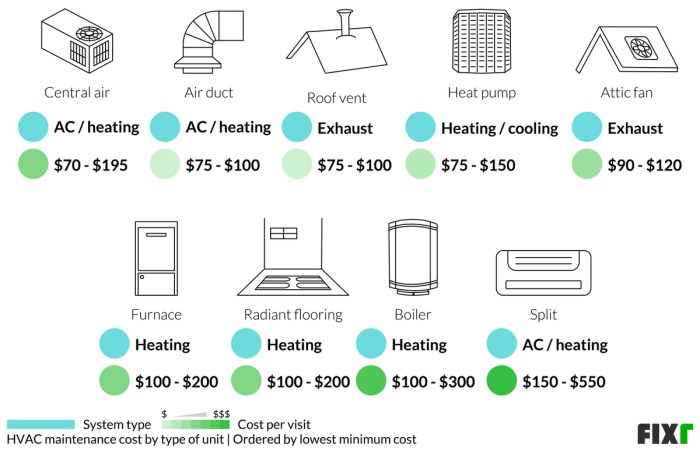
Regional variations in annual HVAC maintenance costs can be significant due to a variety of factors that are specific to different climate zones, local labor rates, and environmental conditions. These factors can have a direct impact on the overall expenses associated with maintaining HVAC systems.
Comparison of maintenance costs in different climate zones
When comparing maintenance costs in different climate zones, it is important to consider the specific needs of HVAC systems in each region. For example, systems in warmer climates may require more frequent maintenance due to increased usage, while systems in colder climates may require specialized services to address issues related to freezing temperatures.
Impact of local labor rates on maintenance expenses
Local labor rates play a significant role in determining overall maintenance expenses. Higher labor rates in certain regions can contribute to higher costs for routine maintenance and repairs. It is important for homeowners to consider these factors when budgeting for HVAC maintenance.
Effect of environmental factors on maintenance requirements
Environmental factors such as air quality, humidity levels, and pollution can impact the frequency and type of maintenance required for HVAC systems. For example, systems located in areas with high levels of pollution may require more frequent filter changes and cleaning to maintain optimal performance.
Understanding these environmental factors is essential for ensuring the longevity and efficiency of HVAC systems.
Conclusion
In conclusion, understanding the nuances of annual HVAC maintenance cost can lead to smarter choices and long-term savings. By staying proactive and informed, individuals can ensure their HVAC systems operate efficiently and effectively throughout the year. Take charge of your maintenance routine and reap the benefits of a well-maintained HVAC system.
Commonly Asked Questions
How does the size of the HVAC system affect maintenance costs?
The larger the HVAC system, the more components it has, leading to potentially higher maintenance costs due to increased complexity and the need for more extensive inspections.
What are some cost-saving DIY maintenance strategies for HVAC systems?
Simple tasks like cleaning filters regularly, ensuring proper airflow, and checking for leaks can help reduce the need for frequent professional services, thus lowering overall maintenance costs.
How do regional variations impact annual HVAC maintenance costs?
Regions with extreme climates may require more frequent maintenance due to increased strain on the system, potentially leading to higher costs. Additionally, varying labor rates and environmental factors can influence overall expenses.