
As we delve into the world of AC service, we uncover the essential practices that ensure your system operates efficiently and lasts longer. From routine maintenance to DIY tips, this guide covers everything you need to know to keep your AC in top shape.
Exploring the crucial aspects of AC service will shed light on why it’s vital for every homeowner to prioritize regular maintenance for their cooling system.
Importance of AC Service
Regular AC servicing is crucial for maintaining efficiency and longevity of your air conditioning unit. Neglecting AC maintenance can lead to a variety of consequences, including decreased cooling performance, higher energy consumption, and potential costly repairs or replacements in the future.
By investing in routine AC service, you can ensure your AC unit operates at its optimal level, providing better energy efficiency, cost savings, and a longer lifespan.
Common AC Service Procedures
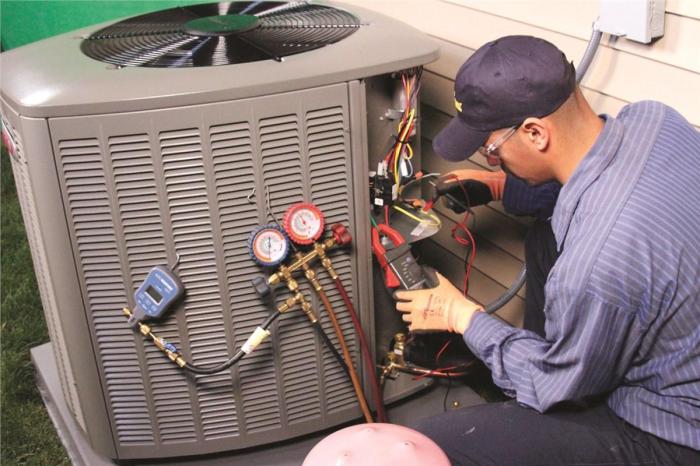
Regular AC service is essential to ensure your air conditioning unit operates efficiently and effectively. Here are some common AC service procedures:
Filter Replacement
Replacing the air filter is crucial as it helps maintain good indoor air quality by trapping dust, dirt, and other particles. A clogged filter can restrict airflow, causing the AC unit to work harder and consume more energy.
Coil Cleaning
Cleaning the coils helps improve the heat transfer process, allowing the AC unit to cool the air more efficiently. Dirty coils can lead to reduced cooling capacity and increased energy consumption.
Refrigerant Check
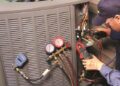
Checking the refrigerant levels is important to ensure that the AC unit is operating at peak performance. Low refrigerant levels can lead to decreased cooling efficiency and potentially damage the compressor.
Importance of Each Procedure
- Filter Replacement: Ensures proper airflow and improves indoor air quality, leading to increased energy efficiency and preventing strain on the system.
- Coil Cleaning: Enhances heat transfer and cooling efficiency, reducing energy consumption and extending the lifespan of the AC unit.
- Refrigerant Check: Maintains optimal cooling performance and prevents potential damage to the compressor, saving you from costly repairs.
Signs that AC Service is Needed
Recognizing the signs that your air conditioning system requires professional servicing is crucial to maintaining its efficiency and longevity.
Odd Noises
Unusual sounds coming from your AC unit, such as grinding, squealing, or banging noises, can indicate mechanical issues that need immediate attention. Ignoring these noises can lead to further damage and costly repairs.
Weak Airflow
If you notice weak or reduced airflow coming from your vents, it could be a sign of clogged filters, ductwork issues, or a malfunctioning compressor. These issues can impact the cooling efficiency of your system and should be addressed by a professional technician.
Foul Odors
Foul or musty odors emanating from your AC unit can be a sign of mold or bacteria growth within the system. Breathing in contaminated air can pose health risks to you and your family. Professional cleaning and maintenance are necessary to eliminate these odors and improve indoor air quality.
DIY Maintenance vs. Professional Service
While basic maintenance tasks like changing filters and cleaning vents can be done by homeowners, certain AC problems require the expertise of a professional technician. Issues like refrigerant leaks, electrical malfunctions, and compressor failures should only be handled by trained professionals to prevent further damage and ensure safe operation of your AC system.
DIY AC Maintenance Tips
Regular maintenance of your AC system is essential to ensure optimal performance and prevent costly repairs. Here are some DIY maintenance tips that homeowners can follow to keep their AC units running smoothly:
Clean or Replace Air Filters
- Inspect the air filters regularly and clean or replace them as needed. Clogged filters can restrict airflow and reduce the efficiency of your AC system.
- Follow the manufacturer’s instructions for proper filter maintenance and replacement.
Clean the Condenser Coils
- Turn off the power to the AC unit before cleaning the condenser coils.
- Use a soft brush or vacuum to remove dirt, debris, and dust from the coils.
- Ensure the area around the condenser unit is clear of obstructions for proper airflow.
Check and Clean the Evaporator Coils
- Inspect the evaporator coils for dirt and debris buildup.
- Clean the coils using a mild detergent and water mixture, then rinse thoroughly.
- Keep the area around the evaporator unit clean and free of blockages.
Inspect the Refrigerant Levels
- Check the refrigerant levels regularly to ensure proper cooling performance.
- If you notice a drop in refrigerant levels, contact a professional HVAC technician for a recharge.
Maintain Clear Air Vents and Registers
- Ensure that air vents and registers are not blocked by furniture, curtains, or other obstructions.
- Clean the vents and registers regularly to prevent dust and debris buildup.
Schedule Professional Maintenance Annually
- While DIY maintenance is important, it’s also crucial to schedule an annual professional maintenance service for your AC unit.
- A certified HVAC technician can perform a thorough inspection, identify potential issues, and tune up your system for optimal performance.
Epilogue
In conclusion, maintaining your AC system through regular servicing not only enhances its performance but also saves you money in the long run. By being proactive and attentive to your system’s needs, you can enjoy cool, refreshing air without any unexpected breakdowns.
General Inquiries
When should I schedule AC service?
You should schedule AC service at least once a year to ensure optimal performance and prevent major issues.
What are the signs that my AC needs servicing?
Look out for reduced airflow, strange noises, or unpleasant odors coming from your AC unit.
Can I clean my AC filters myself?
Yes, cleaning AC filters is a simple task that homeowners can do to maintain efficiency. However, professional servicing is still recommended for thorough maintenance.
How often should I replace my AC filters?
AC filters should ideally be replaced every 1-3 months, depending on usage and the type of filter.