
Embark on a journey through the world of industrial HVAC maintenance, where the careful upkeep of systems is the key to optimal performance and savings.
Exploring the intricate components and best practices will shed light on the essential role of maintenance in industrial settings.
Importance of Industrial HVAC Maintenance
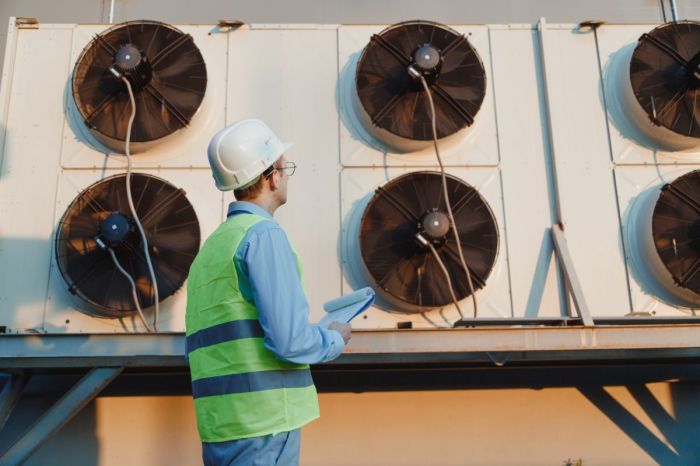
Regular maintenance of industrial HVAC systems is crucial for ensuring optimal performance and longevity. Neglecting maintenance in industrial settings can lead to a range of costly consequences and inefficiencies. Efficient HVAC maintenance not only improves energy efficiency but also results in significant cost savings over time.
Potential Consequences of Neglecting Maintenance
- Decreased system efficiency: Accumulated dirt and debris can obstruct airflow, causing the system to work harder and consume more energy.
- Increased breakdowns: Lack of maintenance can lead to component failures and system breakdowns, resulting in costly repairs and downtime.
- Poor indoor air quality: Dirty filters and ducts can circulate contaminants and allergens, compromising the air quality in the facility.
Impact of Efficient HVAC Maintenance on Energy Efficiency and Cost Savings
- Improved energy efficiency: Regular maintenance ensures that the HVAC system operates at peak performance, reducing energy consumption and lowering utility bills.
- Extended equipment lifespan: Proper maintenance helps prevent premature wear and tear on components, prolonging the lifespan of the system and avoiding the need for early replacements.
- Cost savings: By avoiding major repairs and breakdowns, efficient HVAC maintenance can save industrial facilities significant costs in the long run.
Components of Industrial HVAC Systems
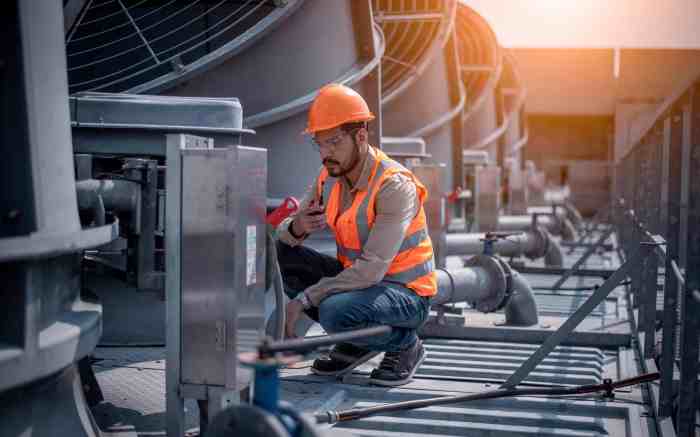
Industrial HVAC systems consist of various components that work together to ensure efficient heating, ventilation, and air conditioning in large commercial or industrial spaces. Each component plays a crucial role in maintaining a comfortable and healthy indoor environment while also contributing to energy efficiency and cost savings.
Air Handling Units (AHUs)
Air handling units are responsible for circulating and regulating the airflow within the HVAC system. They typically consist of a fan, heating or cooling coils, filters, and dampers. The AHUs draw in outside air, condition it to the desired temperature, and then distribute it throughout the building.
Boilers and Chillers
Boilers and chillers are essential components for heating and cooling industrial buildings. Boilers generate hot water or steam to provide heating, while chillers use refrigerants to cool the air. Proper maintenance of boilers and chillers is crucial to ensure optimal performance and energy efficiency.
Ductwork
Ductwork is the network of channels that distribute heated or cooled air from the HVAC system to different areas of the building. Regular inspection and cleaning of ductwork are necessary to prevent blockages, leaks, and contamination, which can impact indoor air quality and system efficiency.
Thermostats and Controls
Thermostats and controls play a key role in regulating temperature, humidity, and airflow within the HVAC system. They allow users to set desired temperature levels and schedule heating or cooling cycles. Proper calibration and programming of thermostats and controls are essential for energy savings and comfort.
Filters
Filters are crucial components that trap dust, dirt, and other particles from the air before it enters the HVAC system. Clean filters ensure proper airflow, prevent equipment damage, and improve indoor air quality. Regular filter replacement is necessary to maintain system efficiency.
Best Practices for Industrial HVAC Maintenance
Regular maintenance is key to ensuring the efficiency and longevity of industrial HVAC systems. Here are some best practices to follow:
Recommended Frequency of Maintenance Checks
- Monthly: Check air filters and replace if dirty or clogged.
- Quarterly: Inspect and clean evaporator and condenser coils.
- Bi-annually: Test thermostat accuracy and calibrate if needed.
- Annually: Conduct a comprehensive inspection by a professional technician.
Common Maintenance Tasks
- Inspect and clean ductwork to prevent blockages and improve airflow.
- Check refrigerant levels and ensure there are no leaks.
- Lubricate moving parts to reduce friction and wear.
- Inspect electrical connections and tighten if necessary.
Importance of Professional Inspections and Tune-ups
Scheduling regular professional inspections and tune-ups for industrial HVAC systems is crucial for identifying potential issues early on and ensuring optimal performance. Professional technicians have the expertise to detect any underlying problems and make necessary adjustments to keep the system running smoothly.
Troubleshooting and Repair in Industrial HVAC Systems
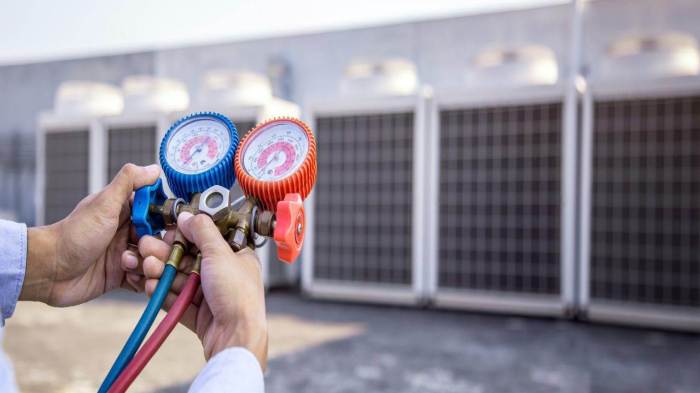
When it comes to industrial HVAC systems, it is crucial to be prepared for potential issues that may arise. Timely troubleshooting and repair are essential to ensure the system functions efficiently and effectively.
Common Issues in Industrial HVAC Systems
- Leaking ductwork causing inefficient heating or cooling.
- Faulty thermostat leading to inconsistent temperatures.
- Clogged filters reducing indoor air quality.
- Refrigerant leaks impacting system performance.
Steps for Diagnosing Problems
Effective troubleshooting begins with a systematic approach to identify and address issues in industrial HVAC systems:
- Check for any visible signs of damage or leaks in the system components.
- Test the thermostat to ensure it is functioning correctly and accurately regulating the temperature.
- Inspect and clean filters regularly to prevent blockages and maintain air quality.
- Monitor refrigerant levels and look for any leaks that may be affecting system performance.
Importance of Timely Repairs
Delaying necessary repairs in industrial HVAC systems can lead to various risks, including:
Increased energy consumption due to inefficient operation.
Reduced system lifespan and potential costly replacements.
Poor indoor air quality affecting the health and productivity of occupants.
Epilogue
In conclusion, industrial HVAC maintenance is not just about fixing problems; it’s about preventing them and maximizing efficiency. Dive into regular maintenance to ensure smooth operations and long-term savings.
Popular Questions
How often should industrial HVAC systems be maintained?
Industrial HVAC systems should ideally be maintained twice a year to ensure optimal performance and efficiency.
What are some common maintenance tasks for industrial HVAC systems?
Common tasks include checking and changing filters, inspecting ductwork, cleaning coils, and lubricating moving parts.
Why is scheduling professional inspections important for industrial HVAC systems?
Professional inspections can detect potential issues early on, prevent major breakdowns, and ensure the system operates at peak efficiency.