
Diving into the world of air conditioner repair, this guide offers a comprehensive look at the importance of regular maintenance, common problems, DIY troubleshooting tips, and hiring professional repair services. Whether you’re a homeowner looking to troubleshoot minor issues or seeking guidance on choosing the right repair service, this guide has you covered.
Importance of Regular Maintenance
Regular maintenance is essential for the longevity of an air conditioner. By scheduling routine maintenance, you can ensure that your AC unit operates efficiently and effectively for years to come. Neglecting maintenance can lead to costly repairs or even the premature replacement of the entire system.
Preventing Major Breakdowns
Regular maintenance helps in identifying and addressing minor issues before they escalate into major breakdowns. During a maintenance check, a technician can inspect the system, clean components, and replace worn-out parts. This proactive approach can save you from unexpected and costly repairs down the line.
Improving Energy Efficiency
Another benefit of regular maintenance is the improvement in energy efficiency. A well-maintained air conditioner operates more efficiently, resulting in lower energy consumption and reduced utility bills. Simple tasks like cleaning or replacing air filters can make a significant impact on the overall performance of the system.
Common Air Conditioner Problems
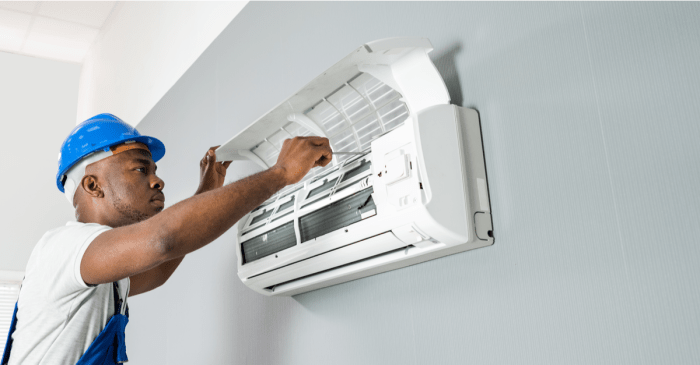
When it comes to air conditioner problems, there are a few common issues that can arise. Identifying these problems early on can help prevent more severe damage to your unit.
1. Refrigerant Leaks
Refrigerant leaks are a common issue that can cause your air conditioner to malfunction. Symptoms of a refrigerant leak include warm air blowing from the vents, ice buildup on the coils, and a hissing or bubbling noise coming from the unit.
Neglecting a refrigerant leak can lead to compressor failure and other costly repairs.
2. Electrical Problems
Electrical issues such as faulty wiring or a malfunctioning capacitor can cause your air conditioner to stop working. Signs of electrical problems include frequent tripped circuit breakers, a burning smell coming from the unit, or the air conditioner not turning on at all.
Ignoring electrical issues can pose a fire hazard and further damage to the unit.
3. Frozen Evaporator Coils
Frozen evaporator coils can hinder the cooling process and cause your air conditioner to run inefficiently. Symptoms of frozen evaporator coils include reduced airflow, warm air blowing from the vents, and ice buildup on the coils. Neglecting this issue can lead to compressor failure and decreased energy efficiency.
4. Clogged Air Filters
Clogged air filters can restrict airflow and cause your air conditioner to work harder than necessary. Signs of clogged air filters include reduced cooling performance, increased energy bills, and dust accumulation around the vents. Failing to replace or clean air filters regularly can result in decreased indoor air quality and strain on the unit.
DIY Troubleshooting Tips
When it comes to troubleshooting your air conditioner, there are a few simple tasks that homeowners can do themselves before calling a professional. However, it’s essential to follow safety precautions and know when it’s time to seek help from an expert.
Checking the Air Filter
One of the most common issues with air conditioners is a clogged air filter, which can restrict airflow and reduce efficiency. Here’s how you can check and replace the air filter:
- Locate the air filter panel on your unit.
- Remove the filter and inspect it for dirt and debris.
- If the filter looks dirty, replace it with a new one of the same size and type.
- Make sure to turn off the unit before doing any work and follow the manufacturer’s instructions.
Cleaning the Condenser Coils
Dirty condenser coils can also lead to poor cooling performance. Here’s how you can clean the condenser coils:
- Turn off the power to the unit before starting any maintenance.
- Remove any debris or vegetation around the outdoor unit.
- Gently clean the coils with a coil cleaner and a soft brush or cloth.
- Rinse the coils with water and allow them to dry completely before turning the power back on.
Checking the Thermostat
If your air conditioner is not cooling properly, the thermostat settings could be the issue. Here’s how you can check the thermostat:
- Make sure the thermostat is set to cool and the temperature is lower than the current room temperature.
- Replace the batteries if the thermostat is battery-operated.
- If you have a programmable thermostat, check the schedule settings to ensure they are correct.
When to Call a Professional
While some troubleshooting tasks can be done by homeowners, there are certain situations where it’s best to call a professional:
- If you hear strange noises coming from the unit.
- If the air conditioner is leaking water inside your home.
- If the unit is not turning on at all.
- If you are unsure about performing any maintenance tasks safely.
Hiring a Professional Repair Service
When it comes to choosing an air conditioner repair service, there are several important factors to consider to ensure you get the best service possible for your unit. It is crucial to compare different types of service providers, such as manufacturers’ service centers versus independent contractors, to make an informed decision.
Additionally, checking licenses, certifications, and customer reviews before hiring a service can help you gauge the reliability and expertise of the repair service.
Factors to Consider
- Experience: Look for a repair service with a proven track record of successfully repairing air conditioners.
- Reputation: Check customer reviews and ratings online to see what others have to say about the service provider.
- License and Certifications: Ensure that the repair service is licensed and certified to work on air conditioning units in your area.
- Insurance: Choose a repair service that is fully insured to protect yourself in case of any accidents or damage during the repair process.
Manufacturers’ Service Centers vs. Independent Contractors
- Manufacturers’ Service Centers: These centers are typically authorized by the air conditioner manufacturer to provide repair services and may have access to genuine parts.
- Independent Contractors: Independent contractors may offer more personalized service and competitive pricing, but it’s essential to ensure they have the necessary skills and expertise.
Checking Licenses, Certifications, and Customer Reviews
- Licenses: Verify that the repair service holds the appropriate licenses required by state or local regulations.
- Certifications: Look for technicians who are certified by organizations such as NATE (North American Technician Excellence) for their expertise in air conditioner repair.
- Customer Reviews: Read reviews and testimonials from previous customers to get an idea of the quality of service provided by the repair service.
Ultimate Conclusion
Wrapping up our discussion on air conditioner repair, it’s clear that regular maintenance is key to extending the lifespan of your unit and preventing costly breakdowns. By following the tips and advice provided in this guide, you can ensure your air conditioner operates efficiently and effectively for years to come.
Question Bank
What are the benefits of regular maintenance for an air conditioner?
Regular maintenance helps prolong the lifespan of the unit, prevents major breakdowns, improves energy efficiency, and reduces utility bills.
What are some common air conditioner problems that require repair?
Common issues include refrigerant leaks, sensor problems, drainage issues, and electrical failures.
When should homeowners consider calling a professional for air conditioner repair?
If DIY troubleshooting doesn’t resolve the issue or if the problem involves complex electrical components, it’s best to call a professional repair service.