
Delving into the realm of commercial HVAC maintenance services opens up a world of essential care and attention for these crucial systems. From ensuring efficiency to prolonging lifespan, the significance of regular maintenance cannot be overstated. Let’s explore the key aspects of this vital service.
Importance of Commercial HVAC Maintenance Services
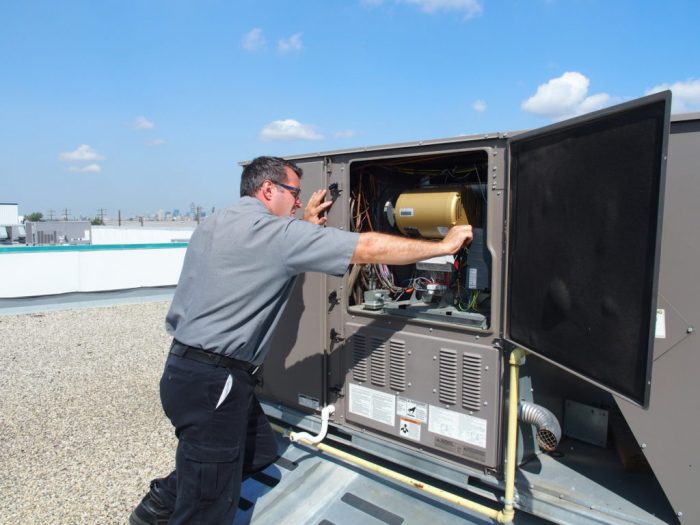
Regular maintenance of commercial HVAC systems is crucial to ensure optimal performance, energy efficiency, and longevity of the equipment. Neglecting maintenance can lead to a variety of issues that can disrupt operations and incur costly repairs.
Preventing Breakdowns and Costly Repairs
- Potential issues such as clogged filters, dirty coils, or faulty components can lead to system breakdowns, causing discomfort for occupants and disrupting business operations.
- Regular maintenance helps identify and address minor problems before they escalate into major issues, saving businesses from expensive repairs and downtime.
Improving Energy Efficiency
- Dirty filters, leaks, and inefficient components can cause HVAC systems to work harder, consuming more energy and increasing utility costs.
- Proper maintenance, including cleaning, lubricating, and tuning up the system, can improve energy efficiency, reducing operational costs and environmental impact.
Extending Equipment Lifespan
- Regular maintenance not only prevents premature system failures but also helps extend the lifespan of HVAC equipment.
- By keeping components clean, well-maintained, and properly calibrated, businesses can get the most out of their HVAC investments and avoid early replacements.
Common Services Offered in Commercial HVAC Maintenance
Commercial HVAC maintenance plans typically include a range of services aimed at keeping the heating, ventilation, and air conditioning systems running smoothly. These services not only ensure optimal performance but also help in preventing costly repairs and minimizing downtime.
Filter Replacement
Regular filter replacement is essential in commercial HVAC maintenance to ensure proper airflow and indoor air quality. Clogged filters can restrict airflow, leading to strain on the system and reduced efficiency.
Coil Cleaning
Regular coil cleaning is crucial to maintain the efficiency of the HVAC system. Dirty coils can reduce the system’s ability to cool or heat effectively, resulting in higher energy consumption and potential system breakdowns.
Thermostat Calibration
Calibrating the thermostat ensures accurate temperature control and efficient operation of the HVAC system. An improperly calibrated thermostat can lead to inconsistent temperatures and wasted energy.
Ductwork Inspection
Inspecting and cleaning ductwork is important for maintaining indoor air quality and preventing issues like mold growth and poor airflow. Properly sealed and clean ducts can improve system efficiency and reduce the risk of health hazards.
Lubrication of Moving Parts
Regular lubrication of moving parts such as motors, fans, and bearings helps reduce friction and wear, extending the lifespan of the HVAC system. Proper lubrication also ensures smooth operation and minimizes the risk of breakdowns.
Benefits of Outsourcing Commercial HVAC Maintenance
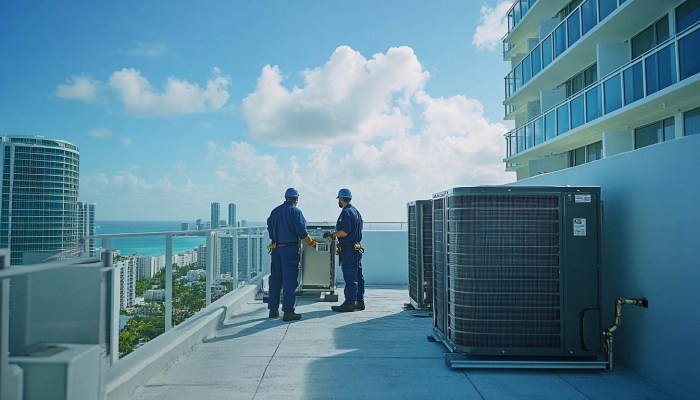
Outsourcing commercial HVAC maintenance services can offer numerous benefits to businesses looking to keep their systems running smoothly and efficiently. By entrusting this crucial task to external experts, companies can enjoy specialized expertise, access to advanced resources, cost savings, and improved overall efficiency.
Specialized Expertise and Resources
Outsourcing HVAC maintenance allows businesses to tap into the specialized expertise and resources of professional maintenance providers. These external teams are well-trained and equipped to handle a wide range of HVAC issues, ensuring that systems are properly maintained and any problems are promptly addressed.
With access to the latest tools, technology, and industry knowledge, outsourcing can guarantee that HVAC systems are serviced effectively and in compliance with regulations.
Cost Savings
Outsourcing HVAC maintenance can lead to significant cost savings for businesses in the long run. By partnering with a maintenance service provider, companies can avoid the expenses associated with hiring and training an in-house maintenance team. Additionally, outsourcing allows businesses to benefit from economies of scale, as maintenance providers can spread their costs across multiple clients, resulting in more affordable maintenance services.
Moreover, outsourcing can help prevent costly breakdowns and repairs by ensuring that HVAC systems are regularly inspected and maintained, reducing the risk of unexpected failures.
Improved Efficiency
Outsourcing HVAC maintenance can also contribute to improved efficiency within a business. By delegating maintenance tasks to external experts, companies can focus on their core operations without worrying about the upkeep of their HVAC systems. This streamlined approach can enhance productivity, reduce downtime, and optimize energy consumption, ultimately leading to a more efficient and sustainable business operation.
Importance of Scheduled Maintenance vs. Reactive Repairs
Scheduled maintenance and reactive repairs play crucial roles in the upkeep of commercial HVAC systems. Scheduled maintenance involves regular inspections, cleaning, and tune-ups performed at planned intervals, while reactive repairs are carried out in response to unexpected breakdowns or issues.
The importance of scheduled maintenance versus reactive repairs lies in the proactive approach to ensuring system efficiency, longevity, and cost-effectiveness.
Advantages of Scheduled Maintenance
Scheduled maintenance offers several advantages over reactive repairs, including:
- Cost-effectiveness: By identifying and addressing potential issues before they escalate, scheduled maintenance helps prevent costly emergency repairs.
- System reliability: Regular maintenance ensures that the HVAC system operates at optimal levels, reducing the risk of unexpected failures.
- Improved energy efficiency: Properly maintained systems consume less energy, resulting in lower utility bills and reduced environmental impact.
Preventing Unexpected Breakdowns
Proactive maintenance plays a key role in preventing unexpected breakdowns and disruptions in commercial HVAC systems. For example, regular cleaning and filter replacements can help prevent airflow restrictions and component wear that may lead to system failures. Additionally, early detection of issues such as refrigerant leaks or faulty components allows for timely repairs before they cause major disruptions to business operations.
Ultimate Conclusion
In conclusion, commercial HVAC maintenance services play a pivotal role in the smooth operation of businesses by enhancing performance, reducing costs, and preventing unexpected breakdowns. By prioritizing maintenance, companies can truly optimize their HVAC systems for long-term success.
Popular Questions
What are some common issues that can arise from neglected HVAC maintenance?
Neglected HVAC maintenance can lead to issues such as reduced efficiency, increased energy consumption, poor air quality, and potential system breakdowns.
How often should commercial HVAC systems undergo maintenance?
Commercial HVAC systems should ideally undergo maintenance at least twice a year to ensure optimal performance and longevity.
What are the advantages of outsourcing HVAC maintenance services?
Outsourcing HVAC maintenance can provide access to specialized expertise, reduce operational costs, and ensure consistent and professional care for the systems.