
Exploring the realm of residential HVAC maintenance, this guide will delve into the importance of regular upkeep for HVAC systems in homes. From energy efficiency to cost savings, we will uncover the benefits of routine maintenance and how it can prevent common issues.
Let’s embark on a journey to understand the vital role maintenance plays in keeping your HVAC system running smoothly.
Now, let’s explore the essential components of residential HVAC systems and how each part contributes to the overall performance of the system.
Importance of Residential HVAC Maintenance
Regular maintenance is crucial for residential HVAC systems to ensure optimal performance, energy efficiency, and longevity. By scheduling routine maintenance, homeowners can prevent costly breakdowns, extend the lifespan of their HVAC units, and maintain a comfortable indoor environment throughout the year.
Benefits of Routine Maintenance
- Improved Energy Efficiency: Regular maintenance helps HVAC systems operate more efficiently, leading to lower energy consumption and reduced utility bills.
- Cost Savings: Preventative maintenance can identify small issues before they escalate into major problems, saving homeowners money on expensive repairs or replacements.
- Enhanced Comfort: Well-maintained HVAC systems provide consistent heating and cooling, creating a comfortable living environment for occupants.
Common Issues Prevented through Maintenance
- Dirty Filters: Regular filter replacements prevent dust and debris from clogging the system, improving indoor air quality and preventing strain on the HVAC unit.
- Refrigerant Leaks: Routine maintenance checks can detect and repair refrigerant leaks, ensuring optimal cooling performance and preventing compressor damage.
- Faulty Thermostat: Maintenance visits can identify and address issues with the thermostat, ensuring accurate temperature control and preventing uneven heating or cooling.
Components of Residential HVAC Systems
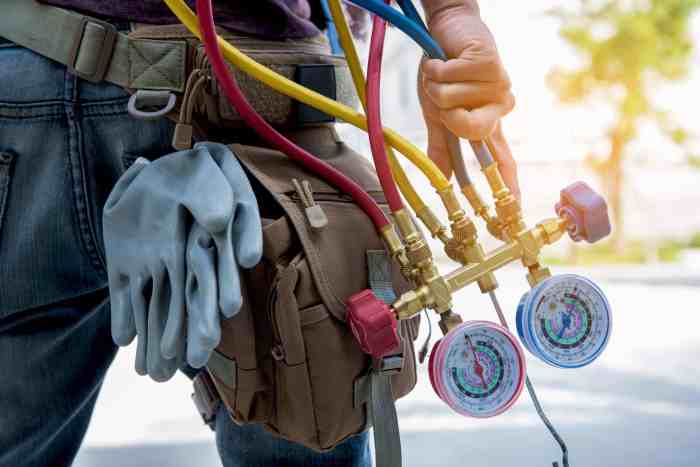
Residential HVAC systems consist of several key components that work together to provide heating, ventilation, and air conditioning to homes. Each component plays a vital role in ensuring the system operates efficiently and effectively.
Air Handler
The air handler is responsible for circulating air throughout the HVAC system. It contains the blower motor, evaporator coil, air filter, and other essential components. The air handler helps regulate the temperature and humidity levels in the home by distributing conditioned air through the ductwork.
Thermostat
The thermostat acts as the control center for the HVAC system. It allows homeowners to set and adjust the desired temperature in their homes. The thermostat communicates with the heating and cooling components to maintain the set temperature, providing comfort and energy efficiency.
Condenser Unit
The condenser unit is located outside the home and is part of the air conditioning system. It contains the compressor, condenser coil, and fan. The condenser unit releases heat absorbed from the indoor air to the outside environment, cooling the refrigerant and allowing the cycle to continue.
Furnace
The furnace is the heating component of the HVAC system. It burns fuel or uses electricity to generate heat, which is then distributed throughout the home via the ductwork. The furnace plays a crucial role in keeping homes warm during colder months.
Ductwork
Ductwork is the network of channels that deliver conditioned air from the HVAC system to different rooms in the home. Properly designed and sealed ductwork ensures efficient airflow and distribution of air. Leaks or blockages in the ductwork can lead to energy loss and decreased system performance.
Refrigerant Lines
Refrigerant lines connect the indoor and outdoor units of the air conditioning system. These lines transport the refrigerant, which absorbs and releases heat to provide cooling. Proper refrigerant levels and functioning lines are essential for the overall performance and efficiency of the air conditioning system.
Ventilation System
The ventilation system helps maintain indoor air quality by exchanging stale air with fresh outdoor air. It also removes pollutants, odors, and excess moisture from the home. A well-functioning ventilation system contributes to a healthier and more comfortable indoor environment.
Frequency of Maintenance Tasks
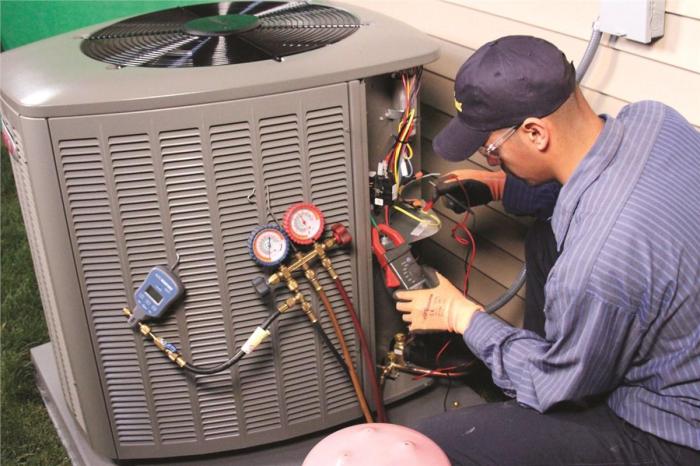
Regular maintenance of your residential HVAC system is crucial to ensure its efficiency and longevity. Different maintenance tasks need to be performed at varying intervals to keep your system running smoothly.
Filter Replacement
One of the most important maintenance tasks is replacing the air filters in your HVAC system. It is recommended to change the filters every 1 to 3 months, depending on factors like filter type, indoor air quality, and usage.
System Inspection
Regular system inspections should be done at least once a year by a professional HVAC technician. This comprehensive check-up ensures that all components are functioning properly and can catch any potential issues early on.
Cleaning Coils and Ducts
Cleaning the coils and ducts of your HVAC system is essential for maintaining optimal airflow and efficiency. This task should be done every 1 to 2 years to prevent dust and debris buildup.
Checking Refrigerant Levels
Monitoring and replenishing refrigerant levels is crucial for the performance of your HVAC system. This task should be performed annually to prevent damage to the compressor and ensure proper cooling.
Signs for Unscheduled Maintenance
- Unusual noises coming from the system
- Inconsistent temperatures throughout the house
- Increased energy bills without a change in usage
- Frequent cycling on and off
DIY vs. Professional Maintenance
When it comes to residential HVAC maintenance, homeowners often face the decision of whether to tackle maintenance tasks themselves or hire a professional HVAC technician. Each option has its own set of benefits and drawbacks, depending on the complexity of the task and the homeowner’s level of expertise.
Benefits and Drawbacks of DIY Maintenance
- Benefits:
- Cost-effective as homeowners can save money on labor costs.
- Flexible scheduling, as homeowners can perform maintenance tasks at their convenience.
- Opportunity to learn more about the HVAC system and its components.
- Drawbacks:
- Risk of causing further damage if maintenance tasks are not performed correctly.
- Lack of specialized tools and equipment needed for certain maintenance tasks.
- Time-consuming, especially for complex maintenance tasks.
Maintenance Tasks Suitable for Homeowners
- Replacing air filters: This task is simple and can improve the efficiency of the HVAC system.
- Cleaning vents and ducts: Regular cleaning can prevent blockages and improve air quality.
- Checking thermostat settings: Ensuring the thermostat is set correctly can optimize energy usage.
When to Seek Professional Help
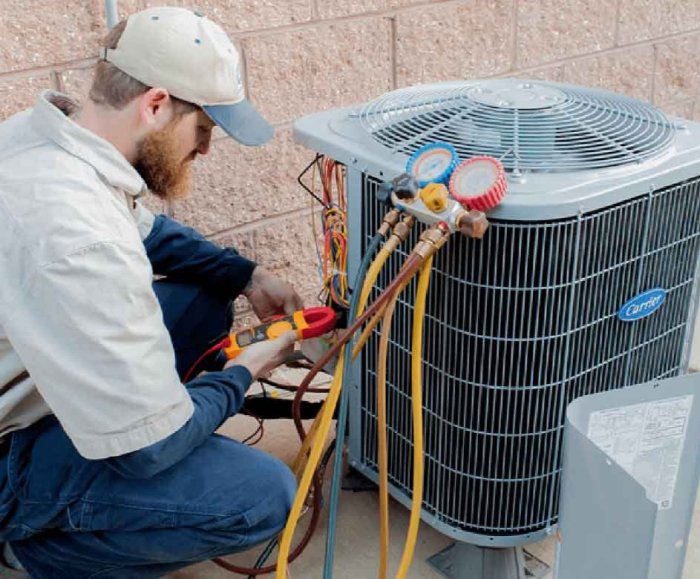
- Annual maintenance: It is recommended to hire a professional HVAC technician for annual maintenance tasks such as system inspection, cleaning, and tune-up.
- Complex repairs: If the HVAC system is experiencing major issues or requires intricate repairs, it is best to seek professional help to avoid further damage.
- Refrigerant recharge: Handling refrigerant is a specialized task that should only be done by licensed professionals to ensure safety and compliance.
Summary
In conclusion, maintaining your residential HVAC system is not just about fixing problems – it’s about preventing them. By following a regular maintenance schedule and knowing when to seek professional help, you can ensure your system operates efficiently and effectively for years to come.
Stay proactive and keep your HVAC system in top shape for a comfortable home environment.
Expert Answers
How often should I replace my HVAC filters?
It’s recommended to replace HVAC filters every 1-3 months, depending on usage and the type of filter you have.
Can I perform maintenance tasks like filter replacement on my own?
Yes, tasks like filter replacement can typically be done by homeowners. However, it’s essential to follow manufacturer guidelines.
What are signs that indicate my HVAC system needs maintenance?
Signs include reduced airflow, strange odors, unusual noises, and higher energy bills. If you notice any of these, it’s time for maintenance.